

What We Do
Your Staff Treats Every Patient — The Air Should Protect Them Too
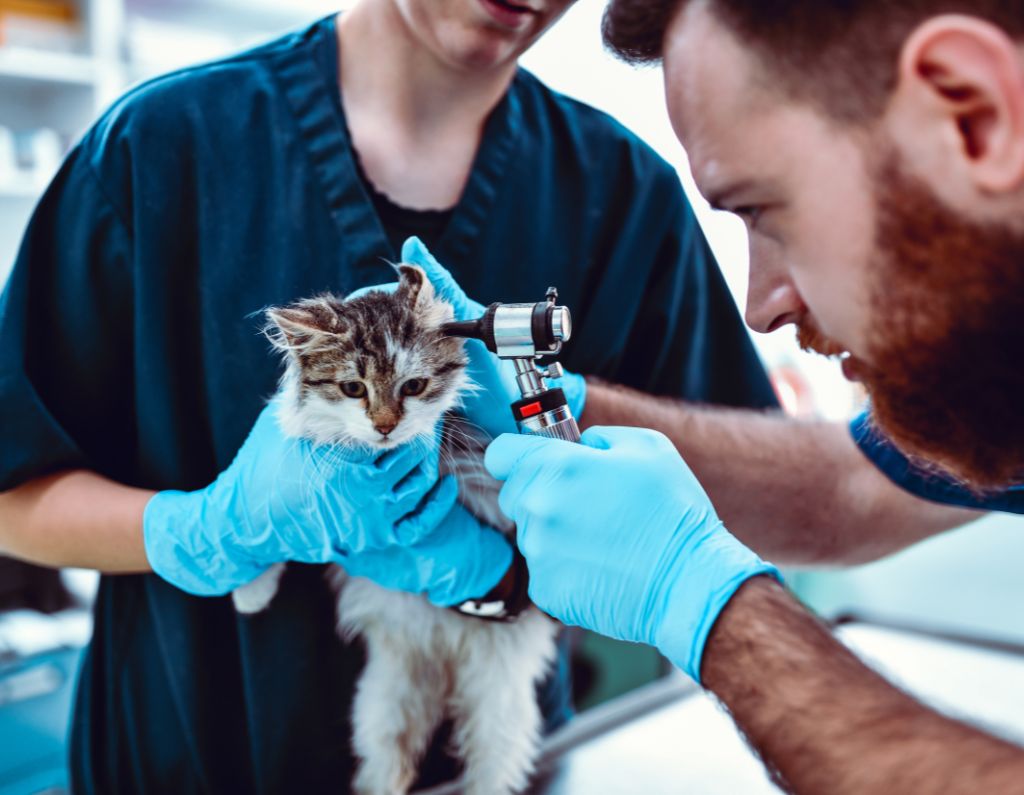
A busy veterinary practice sees dozens of animals daily. Each one sheds dander, bacteria, and allergens into the air of every room they pass through — exam rooms, waiting areas, kennels, and surgical suites. For the clinical team spending 8 to 10 hours in these spaces, that exposure is not occasional. It accumulates across every shift, every week, every year.
prePaer’s ULPA filtration system continuously removes airborne allergens, zoonotic pathogens, and procedure-generated aerosols from the breathing zone — protecting your staff without disrupting the care they provide to the animals in their charge.
The Scale of the Problem
Veterinary Professionals Face One of the Highest Occupational Allergen Loads of Any Profession
Studies estimate that approximately 30% of veterinary professionals develop occupational allergies during their careers — most attributed to chronic dander and airborne pathogen exposure in clinic environments. Standard ventilation systems are not designed to address this load. They recirculate room air without capturing the fine particulate that carries allergens and pathogens, meaning the air in a busy vet clinic carries a significant biological burden throughout the entire working day.
The Airborne Threats That Never Leave the Building on Their Own
Our Solution: The prePaer AER System
Our Solution: The prePaer AER System
prePaer is freestanding, portable, and operational in minutes — which means it can be wherever it is needed most. Position it in the exam room during consultations, move it to the surgical suite for a procedure, run it continuously in the kennel. One unit provides targeted protection wherever airborne exposure is highest throughout the working day.
The prePaer AER System
The Air Filtration Layer That Turns an Allergen Room Label Into a Guarantee
Safe for Every Species — No Ozone, No UV:
prePaer uses purely mechanical filtration with no ozone, no ionizers, and no UV radiation. This makes it completely safe in environments with cats, dogs, birds, reptiles, and exotic species, where even trace ozone levels can cause harm to sensitive respiratory systems.
Dander and Allergen Capture at 0.12 Microns:
Pet dander fragments travel at sub-micron sizes that standard purifiers miss entirely. prePaer’s ULPA filter removes 99.999% of particles at 0.12 microns — the threshold that meaningfully addresses dander-driven occupational allergy, not just large visible particles.
Zoonotic Pathogen Containment:
Airborne zoonotic organisms persist on fine aerosol particles long after an infected animal has left the room. prePaer’s continuous filtration removes these particles throughout the clinic day, reducing the ambient pathogen load that staff and healthy animal patients are exposed to during every appointment.
Portable — Moves With Your Workflow:
Freestanding and mobile. Roll prePaer into the surgical suite before a procedure, position it in the exam room for a high-allergen appointment, or place it in the kennel overnight. Protection follows your team’s schedule rather than being fixed to a single location.
Odor Particle Reduction as a Secondary Benefit:
Much of the odor load in veterinary environments is particle-borne. By continuously removing fine airborne particulate, prePaer also reduces the particle-carried odor that makes clinic environments uncomfortable for staff and clients across a long shift.
Staff Health & Retention
Protecting Your Team Is Protecting Your Practice
Veterinary professionals enter this field out of dedication to animal care. They should not have to accept chronic respiratory exposure as a condition of doing that work. Occupational allergen sensitization develops gradually — staff who work for years in high-dander environments can develop allergies that eventually force career changes.
Investing in clean air for your clinical team is an investment in staff retention, long-term wellbeing, and practice stability. It also sends a clear message to every team member that their health matters as much as the health of the animals they treat.
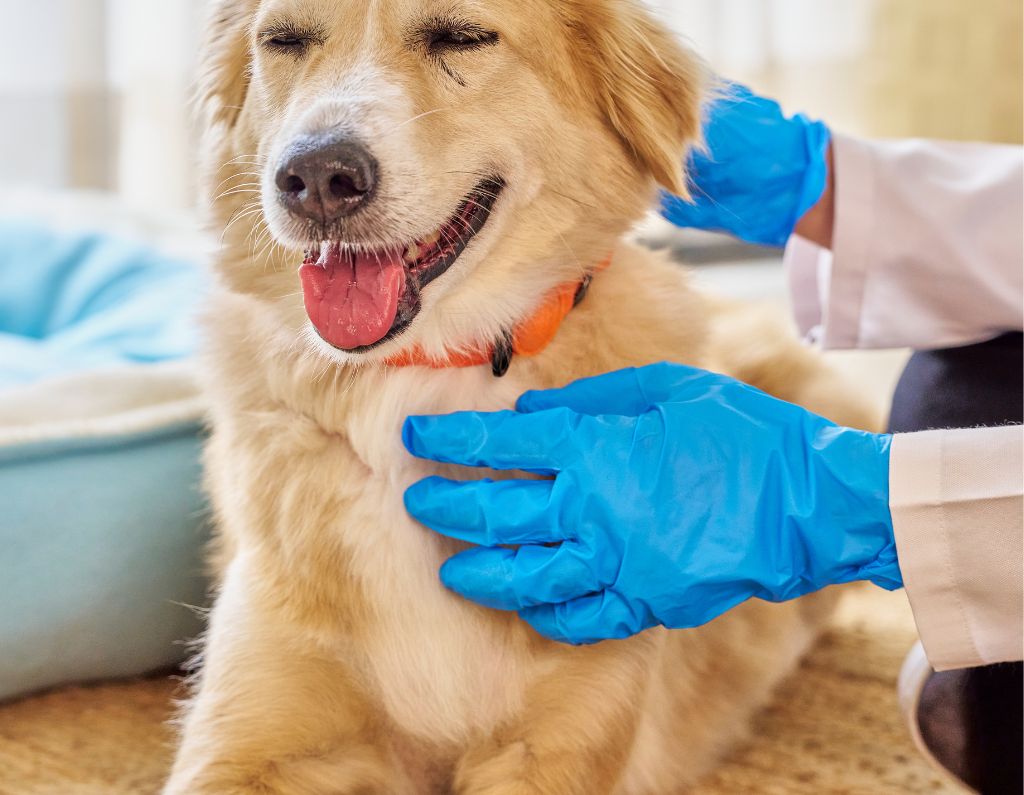
Clean Air Is Part of the Standard of Care — for Every Species
Veterinary medicine holds itself to rigorous standards for surgical sterility, medication safety, and patient handling. Air quality deserves the same attention. The same pathogens and allergens that threaten animal health can also harm the humans who care for them — and the ULPA filtration standard used in hospital clean rooms and pharmaceutical manufacturing is now accessible in a freestanding, practice-ready format.
prePaer brings that standard to veterinary environments of any size — from a single-doctor small animal clinic to a large specialty hospital — without the infrastructure cost or complexity of built-in systems.