

What We Do
Standard Air Purifiers Filter Large Particles. The Ones That Cause Allergies Are Much Smaller.
Over 50 million Americans live with allergies. For most, the triggers — pollen fragments, dust mite allergen particles, pet dander, and mold spores — are present in the indoor air of every space they occupy, at concentrations that standard HVAC filters and many retail air purifiers are simply not designed to address.
prePaer’s ULPA filtration captures 99.999% of particles at 0.12 microns — far below the size threshold of the allergens that matter most. The result is measurably cleaner indoor air in any space where prePaer operates: home, office, bedroom, or any enclosed environment where allergy sufferers spend significant time.
Why Standard Filters Are Not Enough
HEPA Is Good. ULPA Captures What HEPA Misses at the Sizes That Trigger the Most Severe Reactions.
HEPA filters are rated to capture 99.97% of particles at 0.3 microns — the most penetrating particle size for standard fiber filters. But the allergen particles responsible for the most severe and persistent allergy symptoms — fine pollen sub-fragments, dust mite fecal particles, and cat allergen Fel d 1 — are often sub-micron, traveling at sizes below the point where HEPA efficiency is certified. prePaer’s ULPA filter captures 99.999% of particles at 0.12 microns, consistently and continuously — addressing the particle range where allergy immunology and standard air filtration have historically left a gap.
What Allergy Sufferers Are Actually Breathing in the Spaces Where They Live and Work
Our Solution: The prePaer AER System
Our Solution: The prePaer AER System
prePaer is freestanding, portable, and immediately operational — no installation, no HVAC modification. Position it in the bedroom for overnight allergen clearance, in the living room during peak exposure periods, or at the office workstation for daily protection. It operates continuously and quietly, removing the particles that trigger symptoms before they reach the breathing zone.
The prePaer AER System
Medical-Grade Allergen Removal in Any Space Where You Need It
ULPA at 0.12 Microns — Beyond HEPA:
prePaer captures 99.999% of particles at 0.12 microns — the sub-micron size range where the most immunologically potent allergen particles travel and where standard HEPA filtration provides the least reliable protection. For allergy sufferers whose symptoms persist despite HEPA purifiers, the jump to ULPA filtration is often clinically significant.
No Ozone — Safe for Asthma Sufferers:
Many ionizing and UV-based air purifiers generate ozone as a byproduct — a known respiratory irritant and a proven asthma trigger at concentrations that some purifiers produce at typical indoor operating levels. prePaer uses no ozone-generating technology of any kind. It purifies the air without adding a secondary irritant that worsens the condition it is intended to help.
Overnight Bedroom Allergen Clearance:
Sleep quality is one of the most significant areas of impact for allergy sufferers. Running prePaer in the bedroom for several hours before sleep — and continuously through the night — removes the dust mite allergen particles, pet dander, and mold spores that accumulate in sleeping environments and trigger nighttime and morning symptoms.
Portable — Protection Follows You Through the Home:
Allergen exposure patterns change throughout the day — highest in the bedroom overnight, in the living areas during evening hours, and in whichever room is most occupied at any given time. prePaer’s freestanding portability means it can move with you rather than being fixed to a single room while allergens accumulate elsewhere.
Safe for Every Member of the Household:
No ozone, no UV, no ionizers, no chemical treatments. prePaer is completely safe for infants, children, elderly individuals, immunocompromised household members, and pets — the family members who are often most vulnerable to indoor air quality and least able to leave the affected environment.
Quality of Life
Allergy Symptoms Are Not Just Inconvenient — They Affect Sleep, Concentration, and Daily Function
Allergic rhinitis and asthma are not minor inconveniences for the people who live with them at clinical severity. Disrupted sleep from nighttime symptoms accumulates into chronic fatigue. Constant nasal and eye symptoms reduce concentration and work performance. Asthmatic episodes require medication, occasionally hospitalization, and always carry anxiety about the next trigger event.
Reducing the airborne allergen concentration in the environments where sensitive individuals spend the most time — their home and their workplace — is the intervention with the most direct and sustained impact on daily quality of life. It does not replace allergy treatment, but it reduces the trigger burden that makes treatment harder to manage and symptoms harder to control.
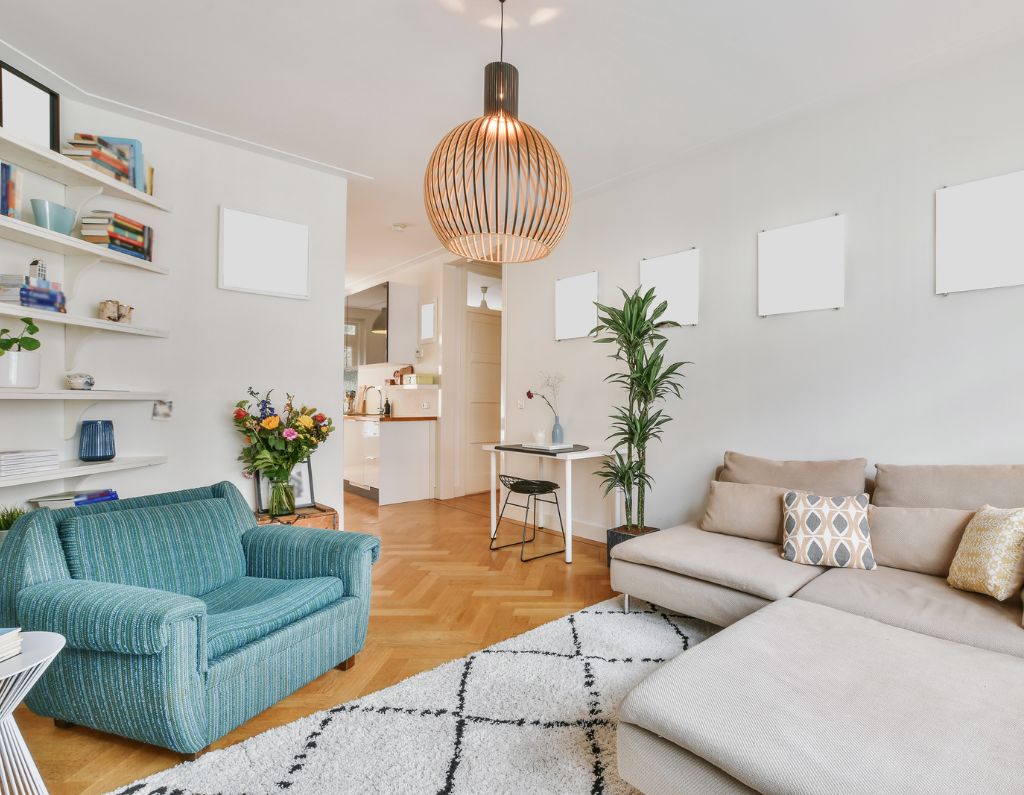
Your Home Should Be Your Refuge — Not Another Trigger Environment
For allergy and asthma sufferers, the spaces where they spend the most time — their bedroom, their living room, their office workstation — are often the spaces with the highest allergen concentrations. The same environments that should provide rest and restoration become continuous low-grade exposure events that accumulate into chronic symptom burden.
prePaer changes that equation by continuously removing the airborne particles that drive those symptoms — in any room, in any building, at any time of year. It is not a cure, and it is not a replacement for medical treatment. But for the millions of people for whom indoor allergen exposure is a daily quality-of-life issue, it is the most direct environmental intervention available.