

What We Do
When Smoke Gets Into Indoor Air, Closing the Windows Is Only the Beginning
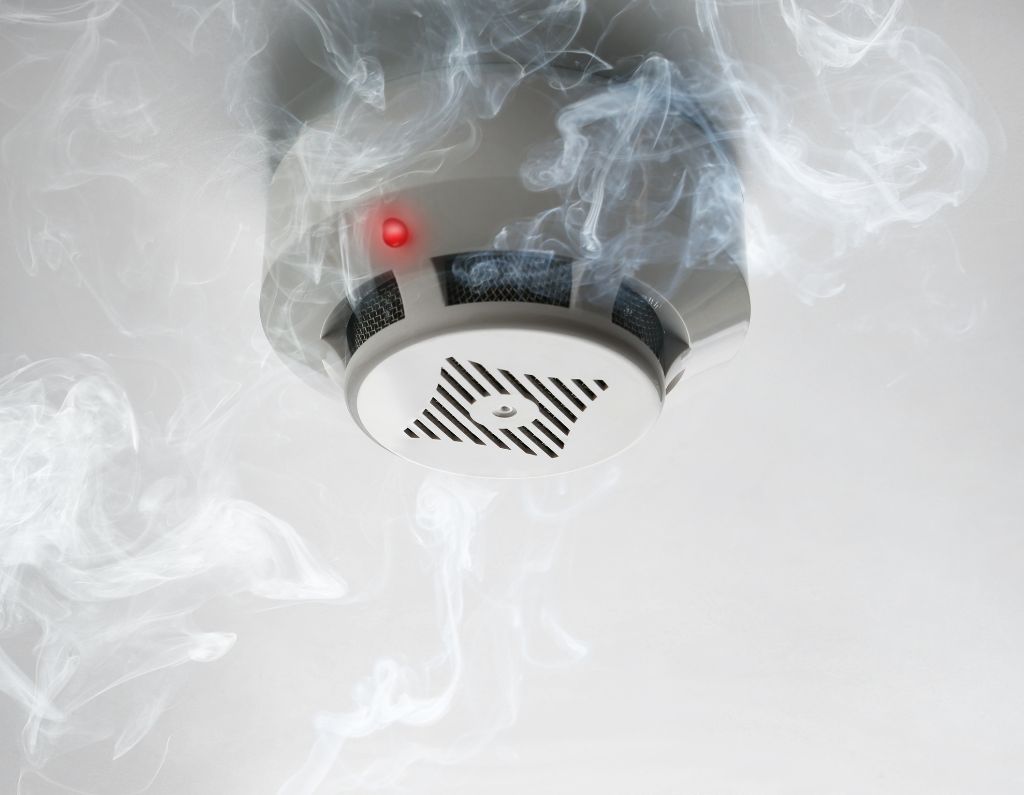
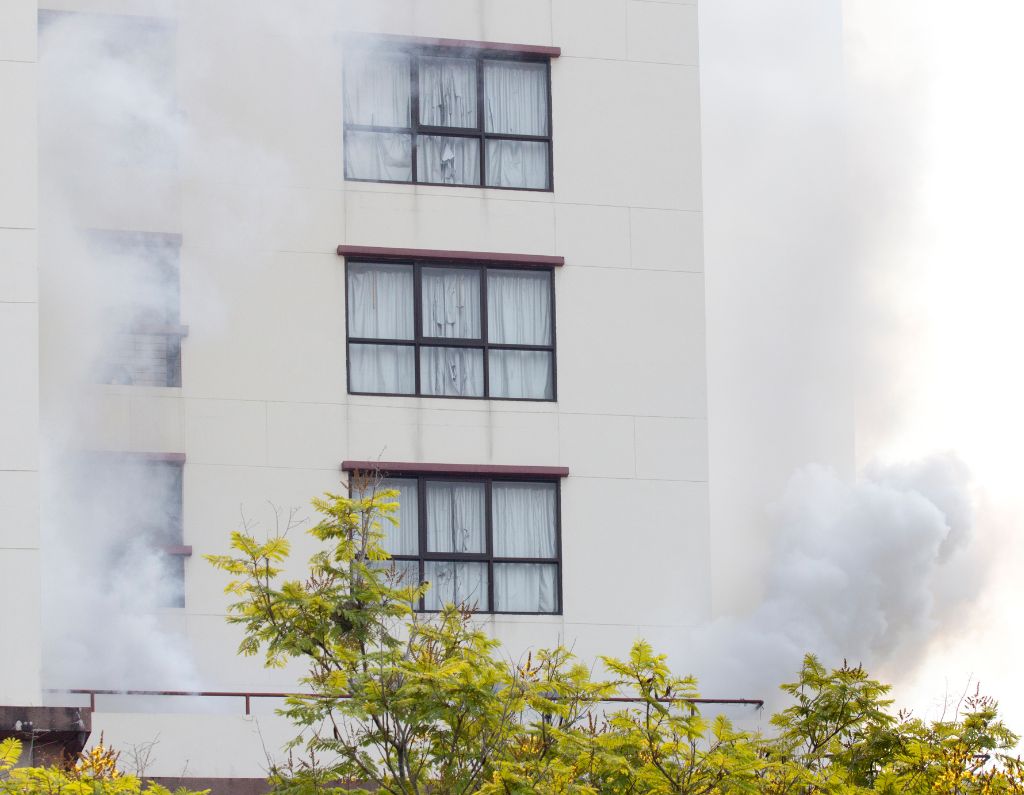
Whether it is wildfire smoke infiltrating homes and offices through building envelopes, cooking smoke in commercial kitchens, or the accumulated residue of tobacco in rental properties and hospitality venues, smoke introduces one of the most complex mixtures of fine particulate matter and chemical compounds into indoor air of any common indoor air quality challenge.
prePaer captures the fine particulate fraction of smoke — including PM2.5 and smaller particles — that penetrates most building envelopes, bypasses standard HVAC filters, and reaches the deep lung where it causes the most serious and lasting health damage. It provides continuous active filtration wherever smoke exposure is a persistent concern.
Why Smoke Is a Particularly Serious Indoor Air Threat
Smoke Particles Are Smaller Than Most Filters Are Designed to Capture — and They Carry Chemical Toxins With Them
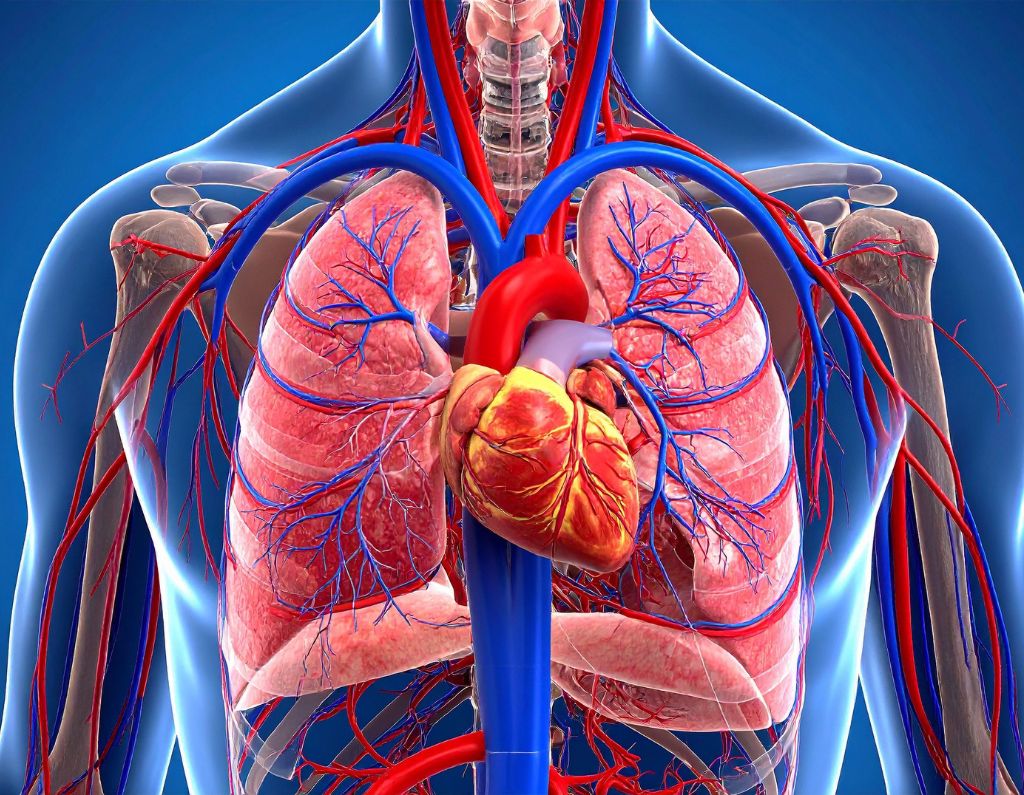
Smoke particles range primarily from 0.1 to 1 micron in diameter — the size range that penetrates most standard air filters most readily and that deposits most efficiently in the alveolar region of the lung where gas exchange occurs. These particles are not merely irritants — they carry adsorbed polycyclic aromatic hydrocarbons, heavy metals, and other toxic compounds that cause cumulative pulmonary and cardiovascular damage with sustained exposure. prePaer’s ULPA filter captures 99.999% of particles at 0.12 microns, directly addressing the fine particulate fraction where smoke poses the greatest health risk.
What Fine Smoke Particles Do When They Reach the Breathing Zone
Our Solution: The prePaer AER System
Our Solution: The prePaer AER System
prePaer is freestanding and operational immediately — no installation, no HVAC modification. During active smoke events, position it in occupied rooms to continuously capture infiltrating particles. In commercial settings with ongoing smoke exposure, run it in the affected zones throughout operational hours to reduce the ambient particle burden that workers and customers breathe.
The prePaer AER System
Continuous Fine Particulate Capture for Any Smoke Exposure Scenario
ULPA Capture at 0.12 Microns — Directly Addresses PM2.5 and Finer:
Wildfire smoke, tobacco smoke, and combustion particulate are dominated by particles in the 0.1–1 micron range. prePaer’s ULPA filter captures 99.999% of particles at 0.12 microns — directly targeting the fine particulate fraction that standard HVAC MERV 8–13 filters allow to pass through largely uncaptured.
Wildfire Season Indoor Air Protection:
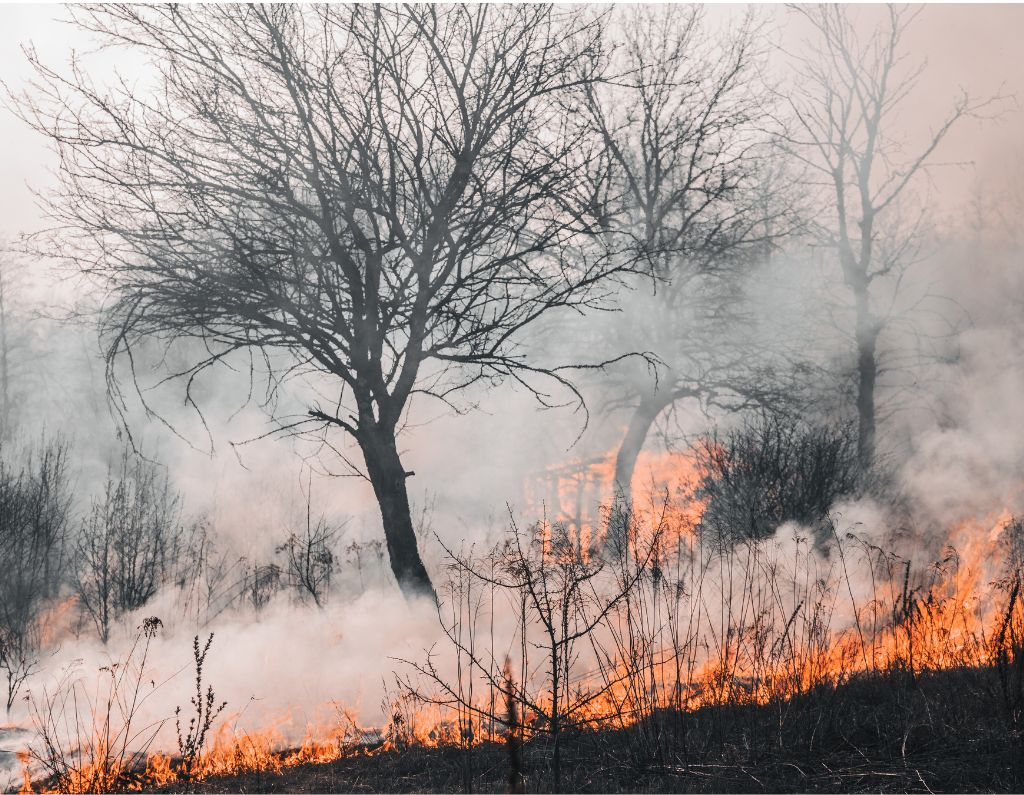
During wildfire events, keeping prePaer running continuously in occupied rooms provides active removal of infiltrating smoke particles even as the building envelope allows some penetration. It is particularly valuable in bedrooms, where overnight exposure to elevated PM2.5 concentrations has the most significant cardiovascular and respiratory health impact.
Thirdhand Smoke Remediation Support:
In properties with a history of indoor tobacco use, running prePaer continuously after cleaning reduces the re-aerosolized particle load from contaminated surfaces over time — supporting remediation efforts by removing the particles that standard cleaning cannot reach once they are airborne.
Commercial Kitchen and Food Service:
Positioning prePaer in kitchen staging areas and adjacent service corridors provides continuous capture of cooking smoke particulate — reducing the cumulative occupational exposure of kitchen staff who work in those environments throughout every service period.
No Ozone — Does Not Add Secondary Irritants:
Some air purifiers marketed for smoke removal use ozone generators, which react with smoke compounds to produce secondary pollutants that are themselves respiratory irritants. prePaer uses no ozone of any kind — it removes smoke particles mechanically through ULPA filtration without introducing additional chemical exposure into the treated environment.
Wildfire Season Readiness
When Wildfire Smoke Arrives, the Window to Protect Indoor Air Is Measured in Hours
In regions where wildfire smoke is a seasonal reality — the western United States, parts of Canada, Australia, and increasingly areas not historically affected — the periods when indoor air quality deteriorates most rapidly are exactly the periods when vulnerable residents have the fewest options for relocating or escaping exposure.
Having prePaer already in place before a smoke event means protection begins immediately when air quality deteriorates — rather than requiring residents or facility managers to source a purifier during the same period when retail inventory is depleted by demand. Preparedness for smoke events is increasingly part of emergency planning for schools, care facilities, offices, and residential buildings in affected regions.

Smoke Events Are Becoming More Frequent and More Severe — Indoor Air Is the Last Line of Defense
Wildfire seasons are extending and intensifying across multiple continents. The populations in affected regions face air quality events of increasing duration and severity, with limited ability to avoid exposure outdoors. For those periods, indoor environments are the refuge — and the quality of indoor air during those events directly determines the health outcomes of the people sheltering in them.
prePaer provides the active filtration layer that transforms a standard indoor space into a meaningfully better-protected environment during smoke events — without installation, without infrastructure change, and without waiting for delivery during the event itself. For homes, schools, care facilities, and offices in smoke-affected regions, having prePaer in place before the season begins is the preparedness investment that matters most.