

What We Do
A Greenhouse Controls Temperature and Humidity — The Air Inside Still Needs Managing
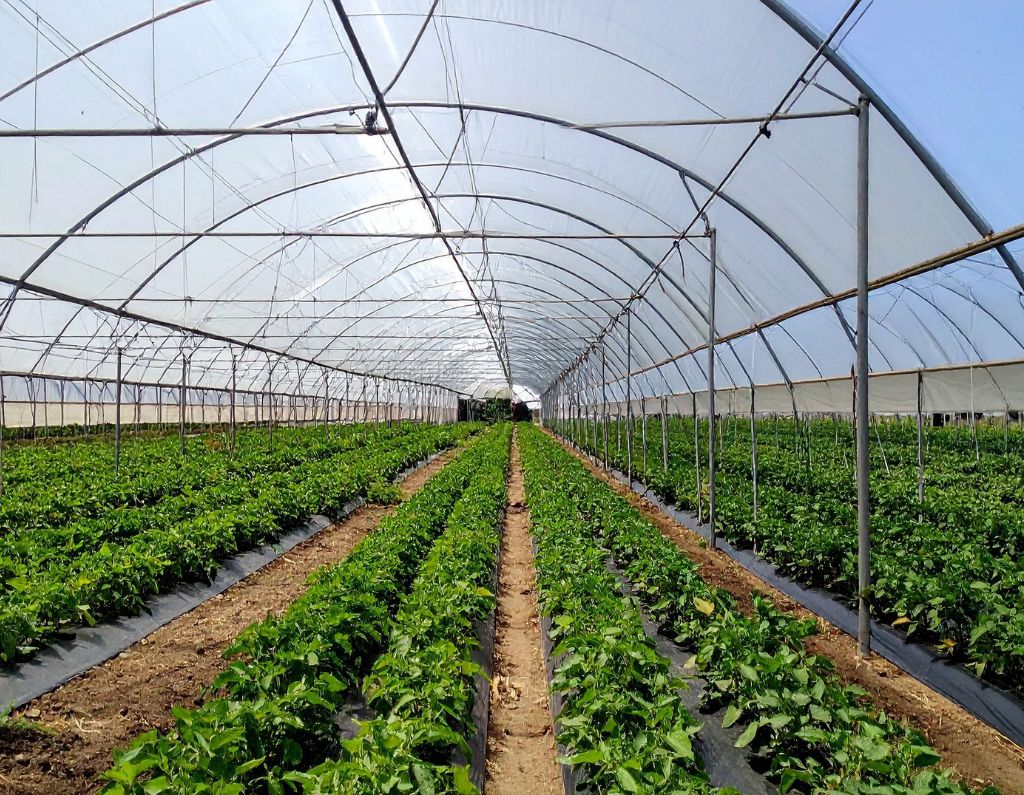
Greenhouses create ideal growing conditions for plants — and equally ideal conditions for the airborne pathogens, fungal spores, and pollen that threaten them. The warm, humid, enclosed environment that accelerates plant growth also accelerates the circulation and persistence of Botrytis, powdery mildew, and other airborne crop diseases that can devastate entire growing cycles before visible symptoms appear on the canopy.
prePaer captures airborne fungal spores, plant pathogens, and pollen at 0.12 microns — providing a continuous filtration layer that reduces the ambient pathogen load circulating through your growing environment throughout the entire crop cycle.
The Growing Environment Challenge
Airborne Fungal Spores Are the Invisible Threat That Chemical Treatments Respond To — But Cannot Prevent
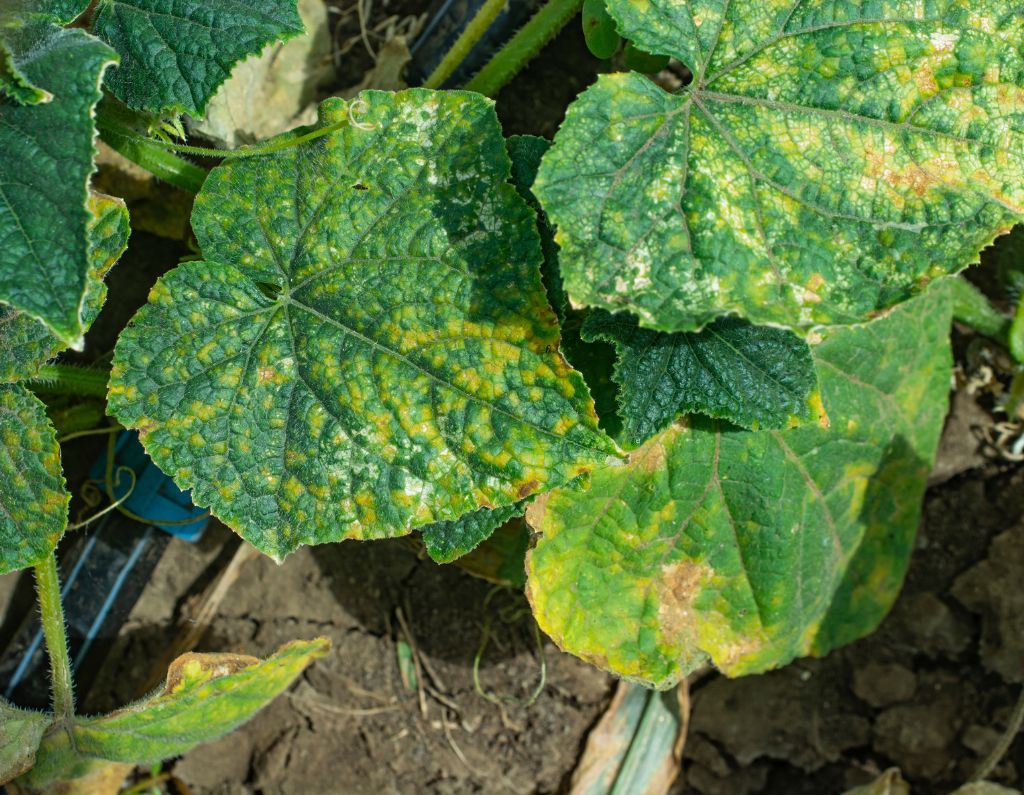
Most greenhouse disease management programs are reactive: fungicide applications respond to infections that are already established and already releasing spores into the growing environment. Reducing the ambient spore load in the air before infection occurs is the preventive layer that chemical programs alone cannot provide. Continuous ULPA air filtration in the greenhouse space removes spores from the air volume before they land on susceptible plant tissue — reducing the inoculum pressure that drives disease cycles and extending the intervals between required chemical interventions.
The Airborne Threats That Travel Unseen Between Plants, Zones, and Crops
Our Solution: The prePaer AER System
Our Solution: The prePaer AER System
prePaer is freestanding and portable — position it in the growing zone, propagation area, or harvest staging area based on where disease pressure or worker exposure risk is highest at any point in the crop cycle. No installation, no infrastructure modification, operational from day one.
The prePaer AER System
Continuous Spore Reduction Throughout the Crop Cycle
ULPA Filtration Captures Fungal Spores at 0.12 Microns:
Botrytis spores range from 8–15 microns; powdery mildew conidia from 20–35 microns — both well above prePaer’s 0.12 micron capture threshold. By removing these spores from the air volume continuously, prePaer reduces the inoculum pressure on susceptible plant surfaces throughout the entire growing space.
No Ozone or UV — Safe for Plants and Pollinators:
prePaer uses purely mechanical ULPA filtration with no ozone emission, no UV radiation, and no chemical byproducts. This makes it completely safe in growing environments where ozone at even low concentrations can cause phytotoxicity — damaging the very crops it is intended to protect — and where beneficial insects may be present.
Propagation Area Protection During the Most Vulnerable Crop Stage:
Young seedlings and cuttings in propagation areas are disproportionately susceptible to airborne fungal infection due to their tender tissue and the high humidity conditions maintained for rooting. Positioning prePaer in propagation zones provides targeted spore reduction during the stage of the crop cycle when plants are least able to resist infection.
Worker Respiratory Protection in High-Spore Environments:
Greenhouse workers performing tasks in high-canopy-density growing areas — pruning, trellising, harvesting, scouting — disturb plant material and release concentrated spore clouds into the immediate work zone. Running prePaer in active work areas reduces the ambient spore concentration that workers breathe during these high-disturbance tasks.
Zone-to-Zone Isolation in Multi-Crop Facilities:
Multi-zone greenhouse operations growing different crop types face disease and pollen cross-contamination risks at the boundaries between zones. Positioning prePaer units near zone transitions reduces the airborne inoculum that moves between crop areas through air circulation and worker foot traffic.
Crop Protection ROI
The Cost of a Botrytis Outbreak Compared to the Cost of Preventing One
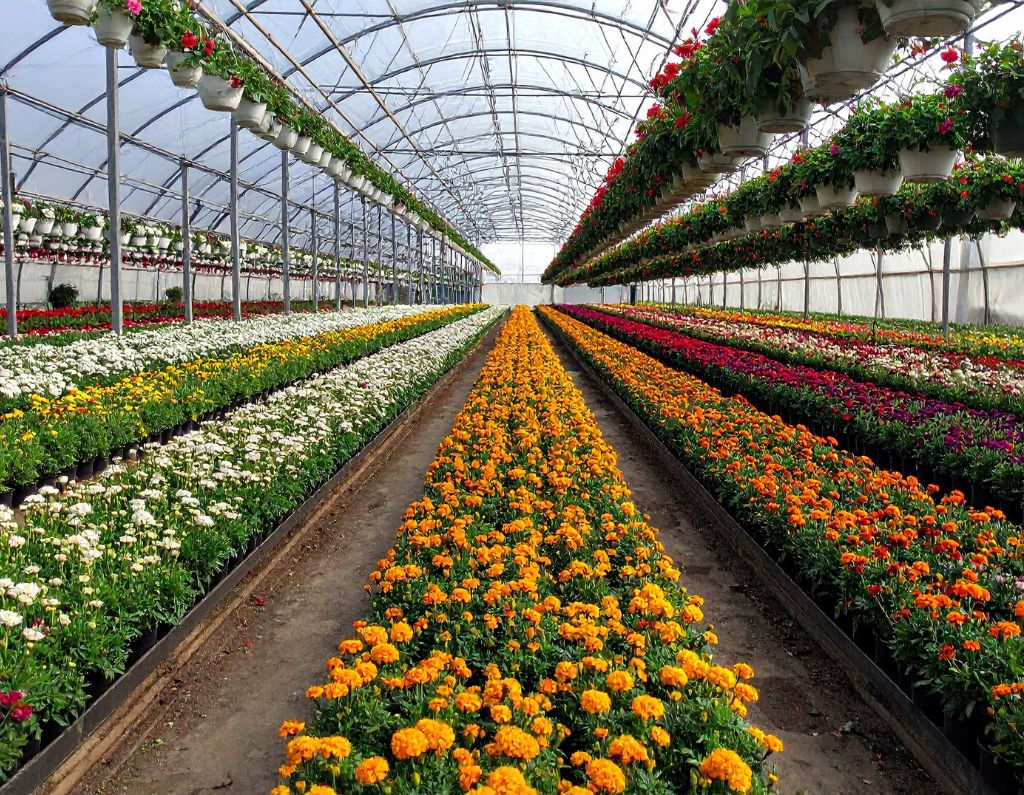
A single Botrytis outbreak in a high-value greenhouse crop — tomatoes, cannabis, cut flowers, herbs — can destroy a significant percentage of the canopy before it is identified and controlled. The direct cost of lost crop value, emergency fungicide applications, labor for removal, and disposal can exceed the cost of a comprehensive air filtration program many times over from a single event.
Continuous ambient spore reduction is not a guarantee against disease — no single measure is. But it meaningfully reduces the inoculum pressure that drives infection cycles, extending the intervals between outbreaks and reducing the severity of events when they do occur. That translates directly into better yield consistency and lower disease management costs across the season.
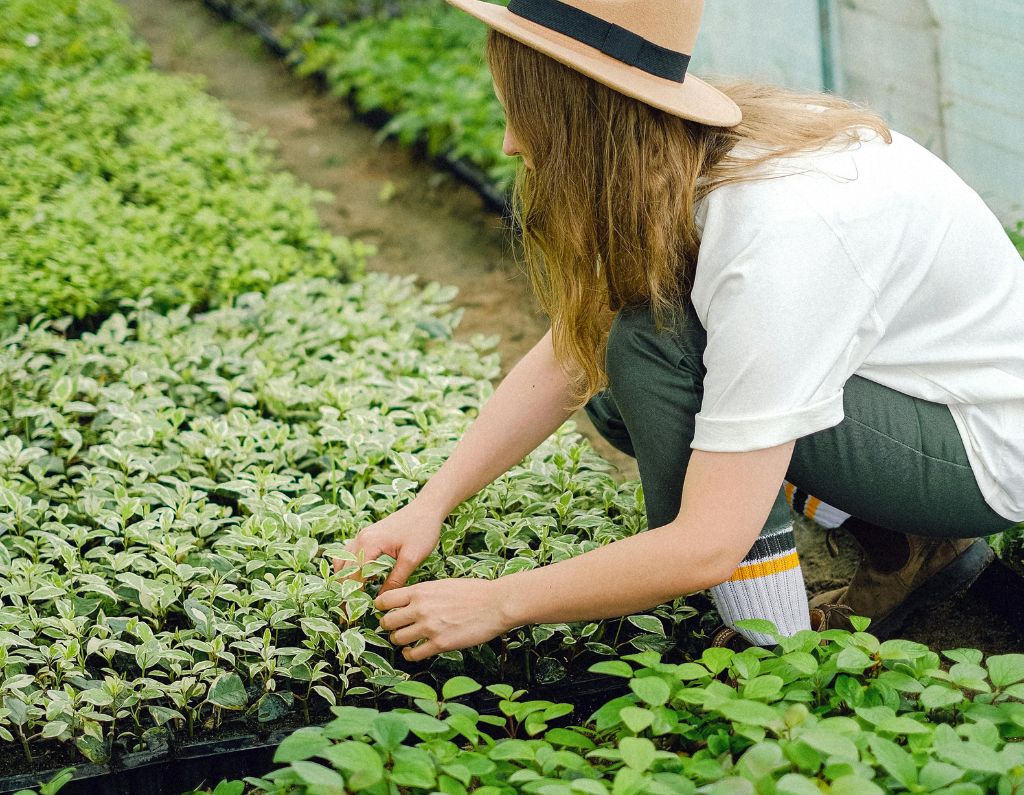
Air Quality Is Part of the Growing Environment — Not Separate From It
Greenhouse growers invest heavily in the environmental variables that determine crop success — temperature, humidity, light, nutrition, and irrigation. Air quality — specifically, the airborne biological load that circulates through the growing space — is the environmental variable that receives the least deliberate management relative to its impact on disease outcomes and worker health.
prePaer brings continuous active air filtration into the greenhouse environment in a practical, portable format that fits any size operation and any crop type — giving growers a tool to manage the airborne dimension of their growing environment with the same intentionality they bring to every other critical variable.