


What We Do
Children Share Everything in a Classroom — Including What’s in the Air
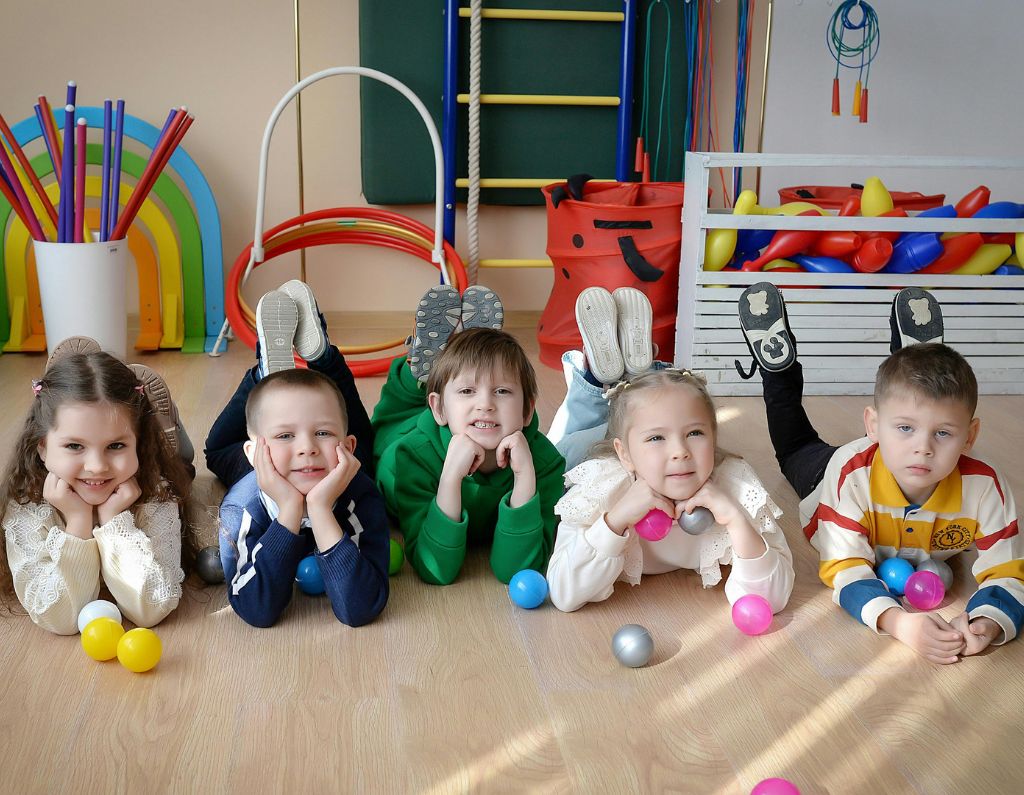
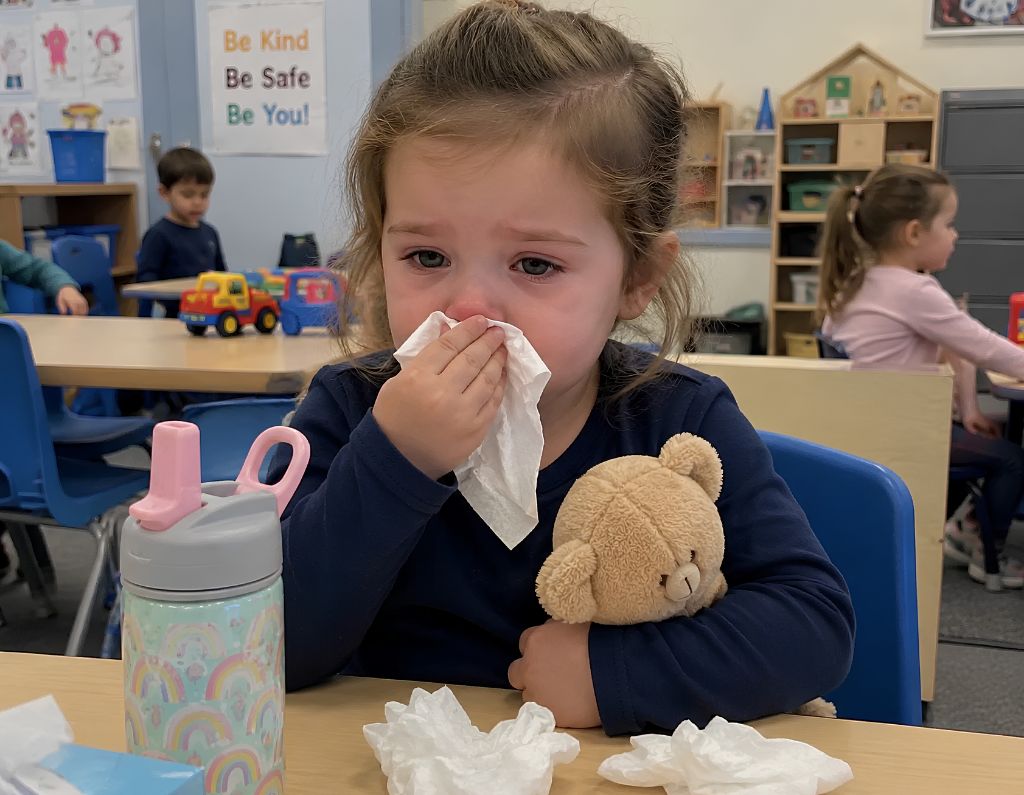
A standard classroom of 20 to 30 children generates a continuous stream of respiratory aerosols through talking, laughing, coughing, and breathing. Children’s immune systems are still developing, their respiratory airways are smaller, and their instinct to cover coughs and maintain distance is limited. The result is a near-ideal airborne transmission environment for influenza, RSV, COVID-19, and every other respiratory pathogen that circulates seasonally.
prePaer provides the same ULPA-grade filtration used in clinical healthcare settings — in a freestanding, immediately deployable format that requires no installation and fits any classroom, daycare room, or school common area.
The Scale of the Problem:
Most School HVAC Systems Were Not Designed to Address Airborne Pathogen Transmission
School buildings in the US average over 40 years in age. Their HVAC systems were designed for basic ventilation and temperature regulation — not for the kind of filtration that captures sub-micron pathogen-carrying particles. Even facilities with upgraded filters operate through dilution: slowly replacing contaminated room air rather than removing particles at the source. In a classroom where sick children are present for hours before symptoms are apparent, dilution is not a sufficient strategy. Real-time source control is.
Consider This: The Airborne Reality of a School Day
What Actually Travels Through Classroom Air From 8am to 3pm

Our Solution: The prePaer AER System
Our Solution: The prePaer AER System
prePaer requires no installation, no HVAC modification, and no facilities coordination. Deliver it to a classroom, plug it in, and it is filtering the air immediately. For school districts and childcare operators who need to demonstrate active indoor air quality measures without capital construction budgets, prePaer is the practical answer.
The prePaer AER System
Clinical-Grade Air Protection, Ready for Any Classroom the Same Day
Completely Safe for Children of All Ages — Including Infants:
No ozone, no UV radiation, no ionizers, no chemical byproducts of any kind. prePaer’s purely mechanical ULPA filtration is safe for newborns, toddlers, children with asthma, and immunocompromised students. It purifies the air without introducing any risk to the children breathing it.
Quiet Enough for Active Learning Environments:
prePaer operates at noise levels appropriate for classrooms and childcare rooms where concentration, instruction, and audio clarity matter. It filters the air throughout the day without creating the disruptive background noise that some high-powered units generate.
Allergen and Asthma Trigger Reduction:
Beyond pathogens, prePaer captures pollen, dust mite allergens, and mold spores at 0.12 microns — directly reducing the airborne triggers responsible for asthmatic episodes in school-age children. For schools with a significant asthmatic student population, this is a measurable daily health benefit.
Deployable in Every High-Risk Space — Not Just Classrooms:
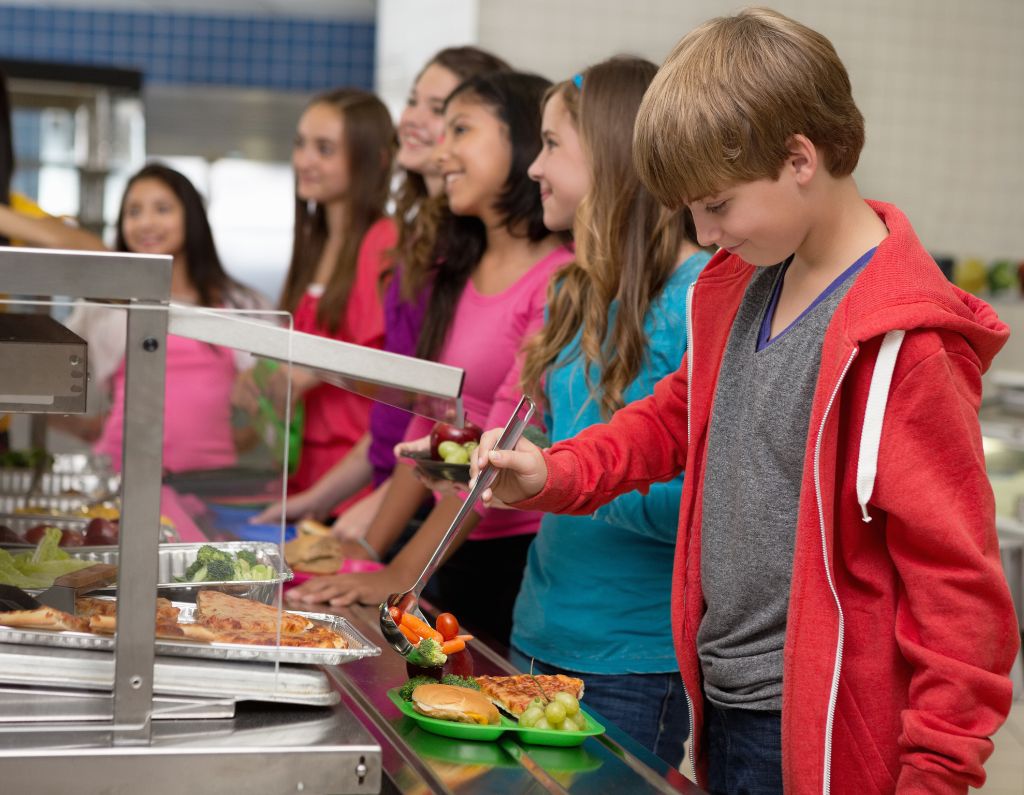
Cafeterias, nurse’s offices, daycare infant rooms, gymnasium changing areas, and school bus waiting areas all benefit from active air filtration. prePaer’s freestanding portability means one unit can be positioned wherever the transmission risk is highest at any given time of the school day.
Fewer Sick Days — More Instructional Time:
Every day a student or teacher misses due to respiratory illness is lost instructional time. Schools that reduce airborne transmission rates across the student and staff population directly improve attendance continuity — one of the most measurable outcomes of air quality investment in educational settings.
Parent & Community Trust
Visible Air Safety Is a Signal Parents and Administrators Notice
In the years since the pandemic, parents have become meaningfully more aware of indoor air quality in the spaces where their children spend the majority of their day. Schools and daycares that deploy visible, active air filtration measures signal a proactive commitment to child safety that resonates with families — particularly those with children who have asthma, allergies, or compromised immune systems.
For private schools and premium childcare centers, this is also a genuine enrollment differentiator. Families choosing between comparable institutions increasingly factor in visible health and safety infrastructure when making those decisions.
The School Environment Deserves the Same Air Quality Standard as a Clinical Setting
Children spend more waking hours in school than in any other single environment. The air quality in those hours directly influences their respiratory health, their attendance, and their capacity to learn without the disruption of illness. The technology to meaningfully improve that air quality now exists in a portable, affordable format — the same ULPA filtration standard used in hospitals and pharmaceutical cleanrooms, available without infrastructure investment.
prePaer gives schools and daycares of any size and budget the ability to take a concrete, demonstrable step toward the indoor air quality standard that every child deserves.