

What We Do
The Air in Your Clinic Carries More Than You Can See
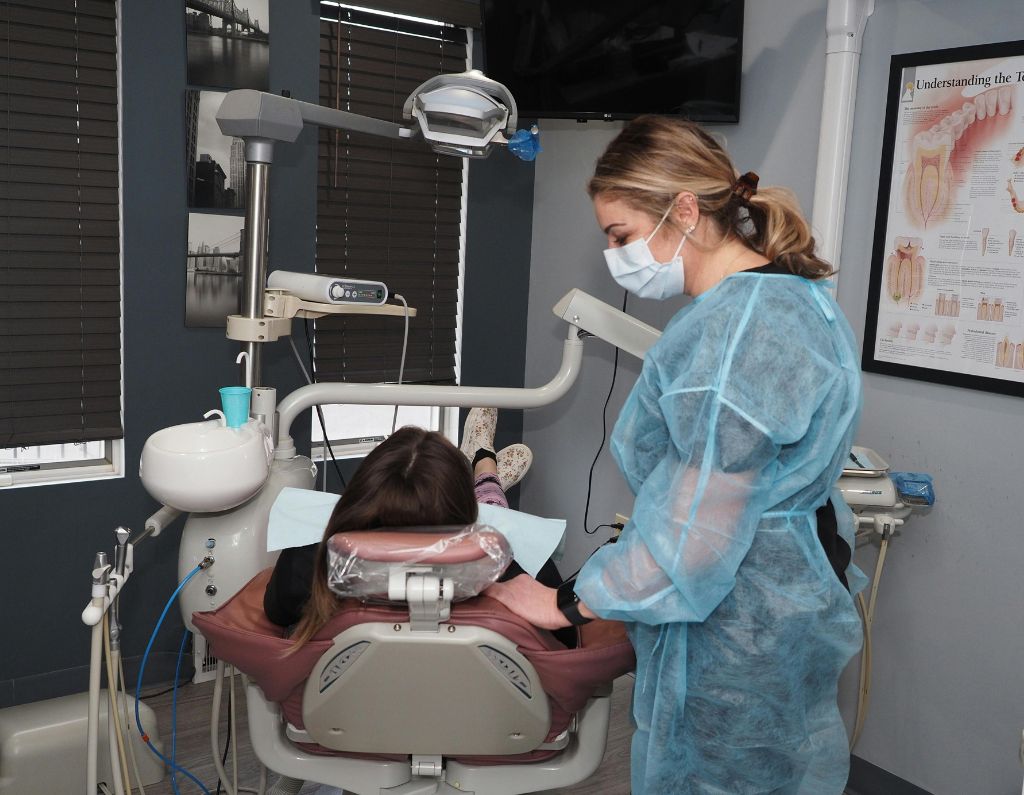
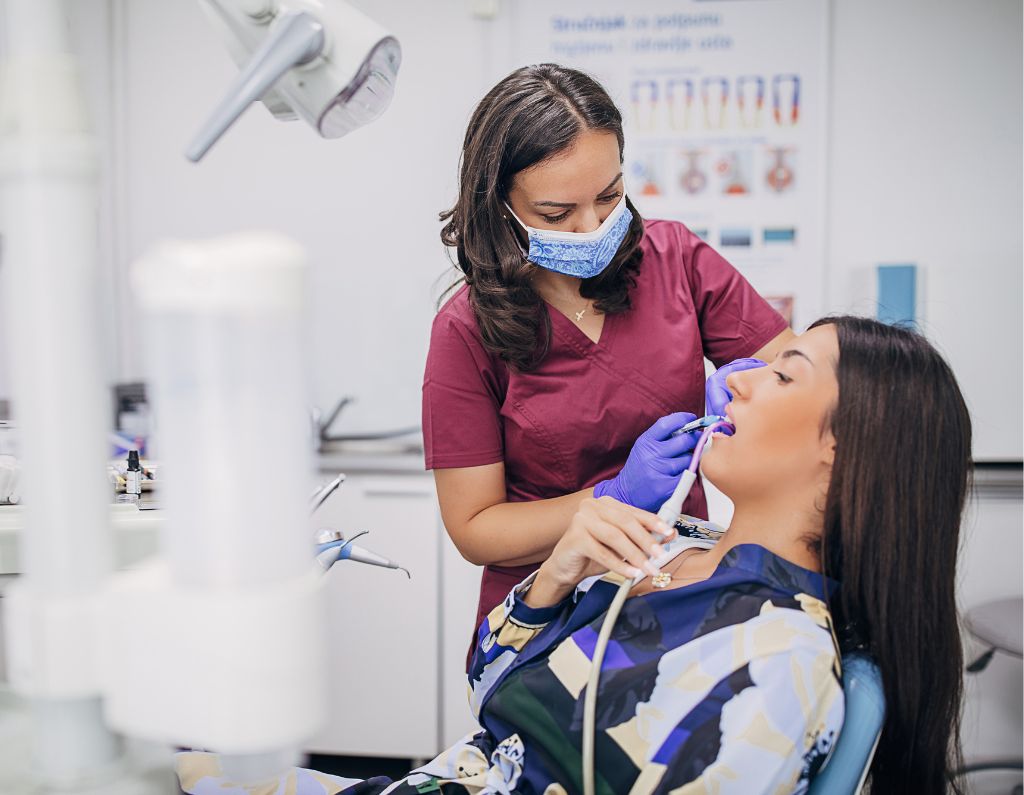
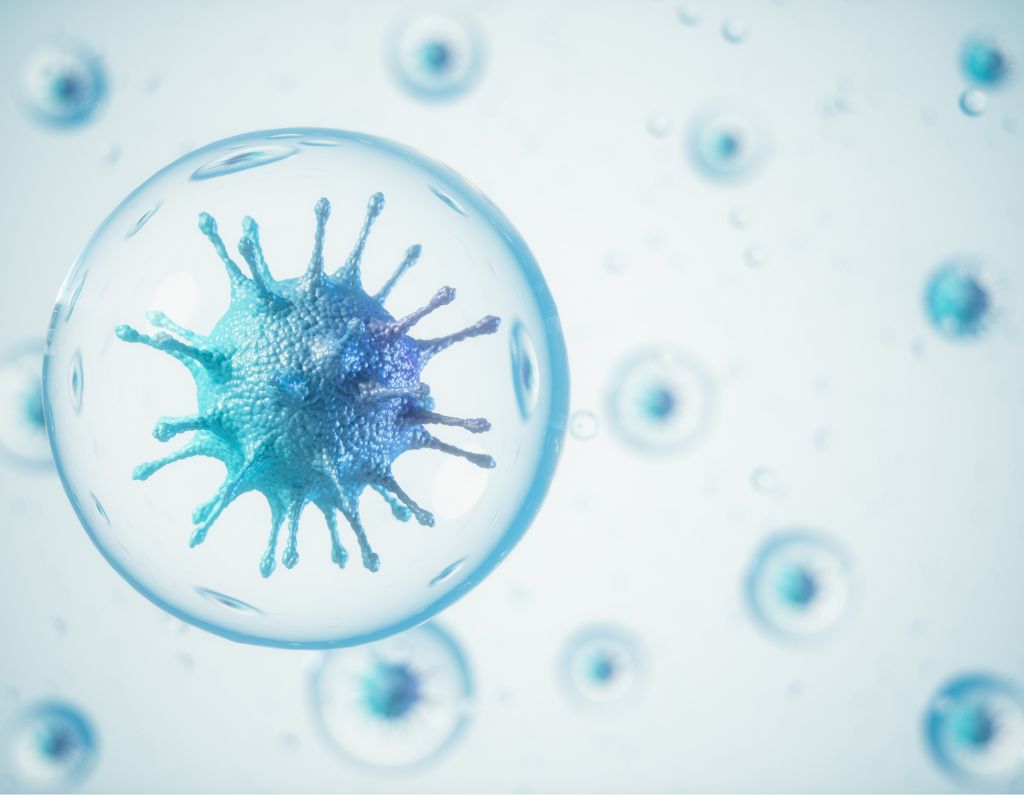
Every dental drill, ultrasonic scaler, and surgical suction generates a plume of bio-aerosols that disperses through the clinical space within seconds. These microscopic particles — far too small to see, far too light to settle quickly — can remain suspended in the breathing zone for 30 minutes or longer after a procedure ends.
For dental offices, medical clinics, and hospital procedure rooms, this is not an occasional concern. It is happening during every appointment, every hour of the operating day. prePaer captures those particles at the source — before they reach your team, your next patient, or anyone waiting in adjacent rooms.
Understanding the Risks:
Standard Ventilation Was Not Designed to Stop Airborne Infection
Most clinical facilities rely on HVAC systems engineered for temperature regulation and basic air circulation — not pathogen removal. Even high-MERV filtration operates through dilution, slowly turning over room air rather than capturing contaminants where they originate. In an environment where aerosol-generating procedures occur back-to-back throughout the day, dilution is not enough. Source control — stopping particles at the point of emission — is the only strategy that addresses the threat in real time.
Consider This: What Happens in the Air During Every Clinical Visit
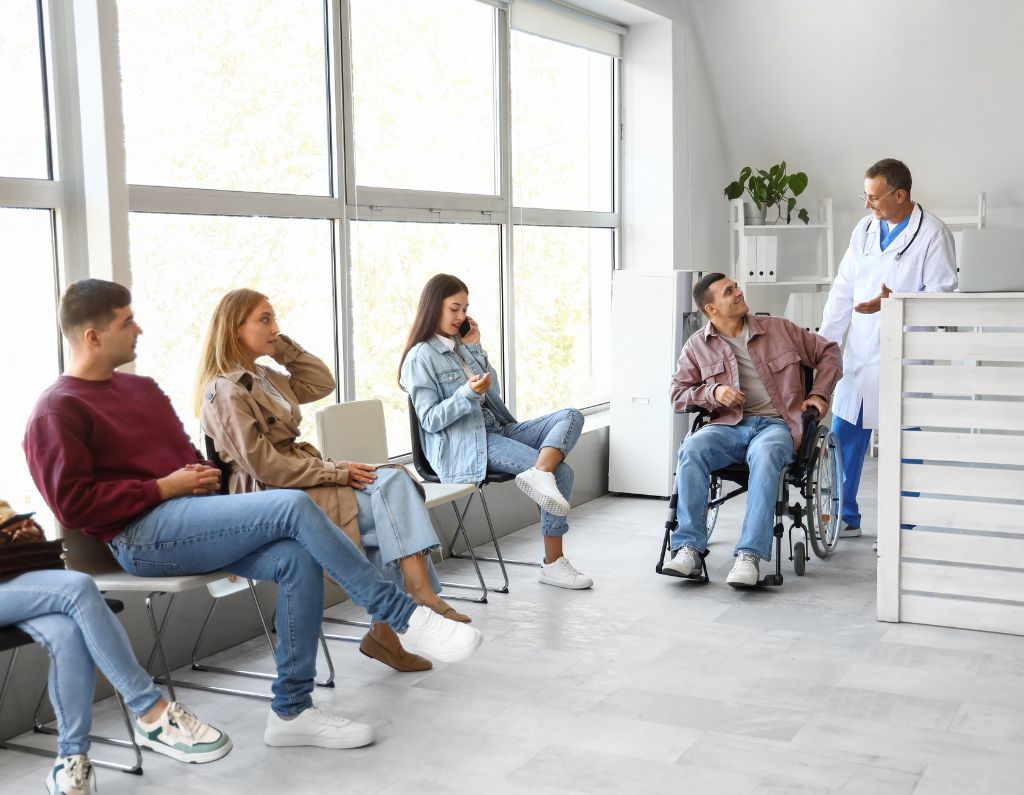
The Invisible Exposure Risk Your Patients and Staff Face Every Day
Our Solution: The prePaer AER System
Our Solution: The prePaer AER System
prePaer is a freestanding air-handling system that generates a directed, laminar flow of ULPA-filtered air — drawing aerosols away from the breathing zone at the point of generation, before they can disperse through the room. It requires no HVAC integration, no installation, and no workflow changes. Position it next to the procedure area, and it begins working immediately.
The prePaer AER System
Laboratory-Grade Source Control, Built for the Clinical Environment
ULPA Filtration at 0.12 Microns:
prePaer’s proprietary ULPA filter captures 99.999% of airborne particles at 0.12 microns and larger — removing viruses, bacteria, fungal spores, and fine particulate matter that standard HEPA-rated systems cannot retain. This is the same filtration standard used in pharmaceutical cleanrooms and hospital isolation suites.
Source Control via Directed Laminar Flow:
Rather than waiting for room air to cycle through a central HVAC unit, prePaer captures particles at the source using a directed laminar airflow pattern. Contaminated air never gets the chance to disperse — it is drawn into the filtration unit before reaching the provider or the broader room environment.
No Ozone, No UV, No Chemical Byproducts:
prePaer uses purely mechanical filtration — no ionizers, no UV lamps, no ozone-generating technology, and no chemical treatments of any kind. It is completely safe for immunocompromised patients, infants, individuals with respiratory sensitivities, and every member of the clinical team.
Freestanding and Immediately Operational:
No permits, no contractors, no HVAC modification. prePaer arrives ready to use. Position it in the operatory, plug it in, and it is protecting the space. It can be repositioned between treatment areas as needed throughout the day, making it practical for clinics of any size and layout.
A Visible Commitment to Patient and Staff Safety:
Patients notice when a practice invests in active infection control measures. prePaer is a visible, operational device — not a poster or a policy. Its presence communicates that the practice takes airborne safety seriously, building the trust that drives retention and referrals.
Who It Protects!
Every Person in the Room — for the Entire Appointment
prePaer does not protect one party at the expense of another. Its continuous source-control filtration operates throughout the appointment, reducing airborne exposure for the patient, the provider, the dental assistant, and anyone else present — simultaneously.
For practices with a high proportion of vulnerable patients — elderly, immunocompromised, or pediatric — this is not a nice-to-have. It is a meaningful clinical safety measure that standard PPE and ventilation cannot replicate. And for the clinical team who spends 8 to 10 hours per day in that environment, reducing cumulative airborne exposure is an occupational health investment with long-term implications.
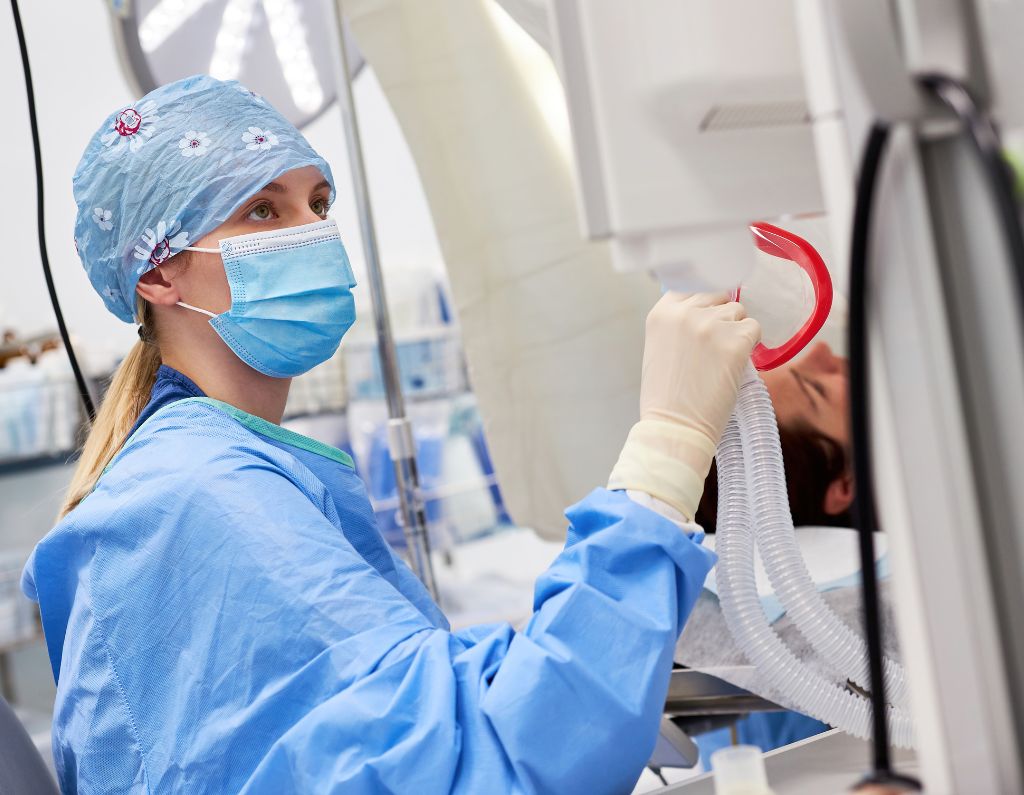
prePaer as Part of a Layered Clinical Safety Strategy
No single measure eliminates airborne infection risk in healthcare settings. The CDC and OSHA both advocate a layered approach — combining engineering controls, administrative controls, and PPE to reduce transmission across multiple pathways simultaneously. prePaer is the engineering control layer that most clinical environments are currently missing.
By adding active source-control filtration at the room level, prePaer strengthens the overall infection control framework without replacing anything already in place. It fits within existing workflows, supports compliance documentation, and gives every person in the room a measurably safer environment — appointment after appointment, throughout the clinical day.