

What We Do
Airborne Particulate Is as Damaging to Critical Infrastructure as It Is to Human Health
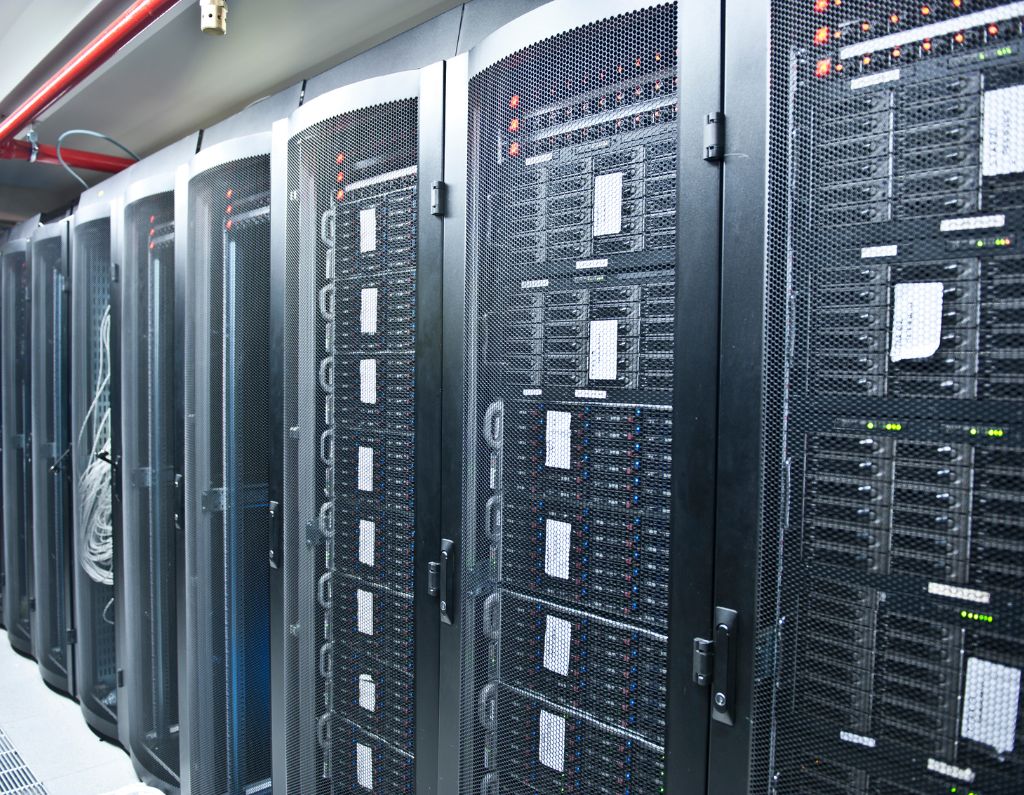
Data centers invest millions in hardware, power redundancy, and cooling infrastructure. Airborne particulate contamination — fine dust, conductive particles, and corrosive aerosols circulating through server halls and equipment rooms — is one of the least visible but most persistent threats to hardware reliability, equipment lifespan, and the uptime guarantees that underpin every service level agreement.
prePaer provides continuous ULPA-grade air filtration in the spaces around critical hardware — reducing the ambient particulate load that settles on circuit boards, clogs cooling fans, and creates the conductive contamination pathways that drive premature hardware failure. And for the technicians who work in those environments, it also addresses the airborne health risks of sustained data center air exposure.
The Hardware Reliability Dimension
Dust and Fine Particulate Are a Leading Cause of Premature Hardware Failure in Data Center Environments
ASHRAE TC 9.9, the primary technical reference for data center environmental specifications, identifies airborne particulate contamination as a significant reliability risk for server hardware, storage systems, and networking equipment. Particles that accumulate on circuit boards alter thermal conductivity, trap moisture, and create conductive bridges between components. Particles that clog cooling fans reduce airflow, elevate operating temperatures, and accelerate thermal degradation of sensitive components. The hardware replacement, unplanned downtime, and remediation costs associated with particulate contamination events routinely exceed the cost of the environmental controls that would have prevented them.
Where Airborne Contamination Enters the Data Center and What It Does When It Gets There

Our Solution: The prePaer AER System
Our Solution: The prePaer AER System
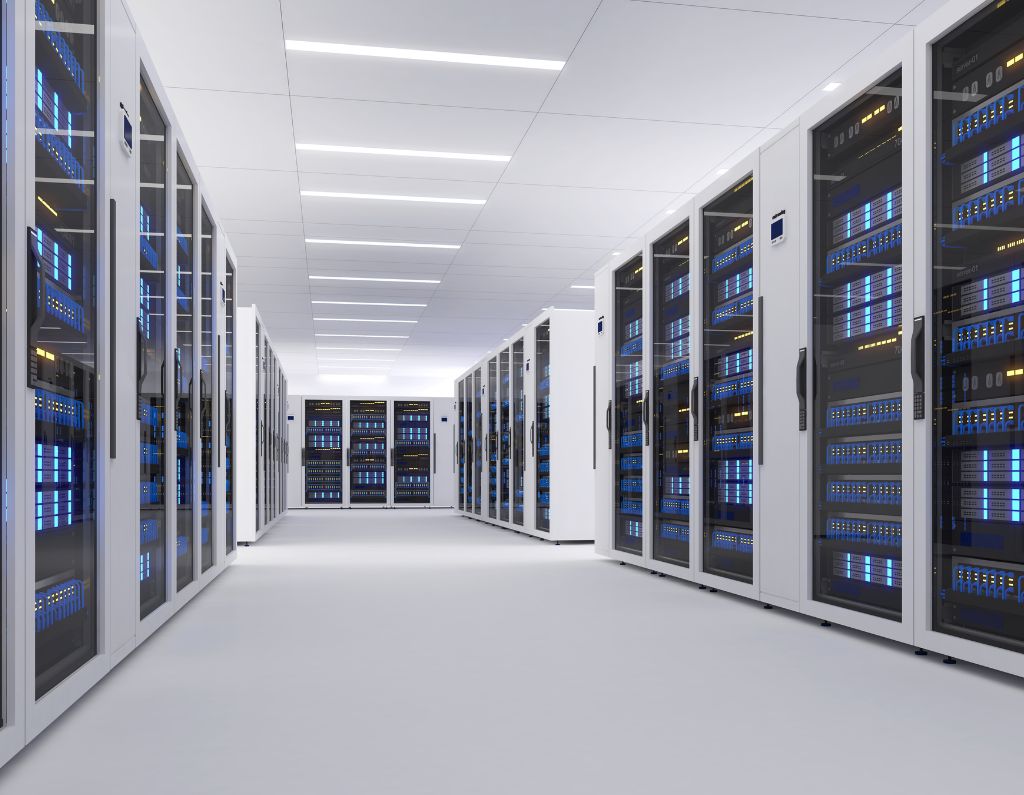
prePaer is freestanding and requires no modification to existing cooling, power, or ventilation infrastructure. Deploy it in server halls, equipment staging areas, cable management zones, and maintenance corridors — wherever reducing the ambient particulate load protects hardware or the people working around it.
The prePaer AER System
The Air Filtration Layer That Turns an Allergen Room Label Into a Guarantee
ULPA Filtration at 0.12 Microns — Below ASHRAE Contamination Particle Thresholds:
ASHRAE TC 9.9 particulate contamination guidelines reference particle sizes in the sub-micron to 10 micron range as primary hardware reliability risks. prePaer captures 99.999% of particles at 0.12 microns — directly addressing the fine particle fraction that standard data center HVAC filtration allows to remain in circulation.
Maintenance Activity Particle Control:
Hardware installation, rack moves, and equipment servicing are the highest-disturbance events in data center air quality. Positioning prePaer in active work zones during maintenance windows captures the particles generated and re-suspended by those activities — protecting operating equipment in adjacent racks from the contamination spike that maintenance generates.
Staging Area and Equipment Receiving Protection:
New hardware arrives with packaging materials that generate particles when opened. Staging areas where equipment is unboxed, inspected, and prepared for installation benefit from active filtration to prevent contamination of equipment surfaces before they enter the server hall.
No Ozone — No Risk of Corrosive Secondary Compounds:
Ozone in data center environments can accelerate contact corrosion on copper, silver, and tin components — the same failure mechanism that airborne corrosive gases drive. prePaer uses no ozone technology, making it safe to operate continuously in proximity to sensitive electronic components without risk of secondary chemical damage.
Technician Occupational Health in Maintenance Environments:
Data center technicians performing maintenance in enclosed server halls breathe air that contains fine metal particles, plastic outgassing compounds, and accumulated dust disturbed by their own activity. prePaer in the immediate maintenance work zone reduces the ambient particle concentration that technicians inhale during extended maintenance sessions.
Uptime & Infrastructure ROI
Hardware That Runs Cooler and Cleaner Runs Longer — and Fails Less Often
Unplanned hardware failure in a data center carries costs that extend well beyond the replacement hardware itself — emergency procurement, technician overtime, potential SLA breach penalties, and the reputational risk of a downtime event that clients notice. The environmental conditions that contribute to premature failure accumulate gradually and invisibly, which is why particulate contamination rarely appears as the proximate cause of a failure event even when it is the underlying one.
Reducing the ambient particulate load in the server environment is the preventive investment that extends hardware operating life, reduces cooling system maintenance frequency, and contributes to the environmental quality metrics that data center operators increasingly track and report as part of infrastructure management and sustainability commitments.
Environmental Quality Is Infrastructure — Treat It Like One
Under normal ongoing data center operation, the standard two-week replacement schedule applies. During and immediately after high-disturbance maintenance activities — equipment moves, cable management projects, raised floor work — filter loading may increase significantly and more frequent replacement may be warranted. Monitor filter condition as part of the preventive maintenance schedule for the unit.