

What We Do
Your Office Brings Your Team Together — and So Does Every Airborne Illness That Enters It
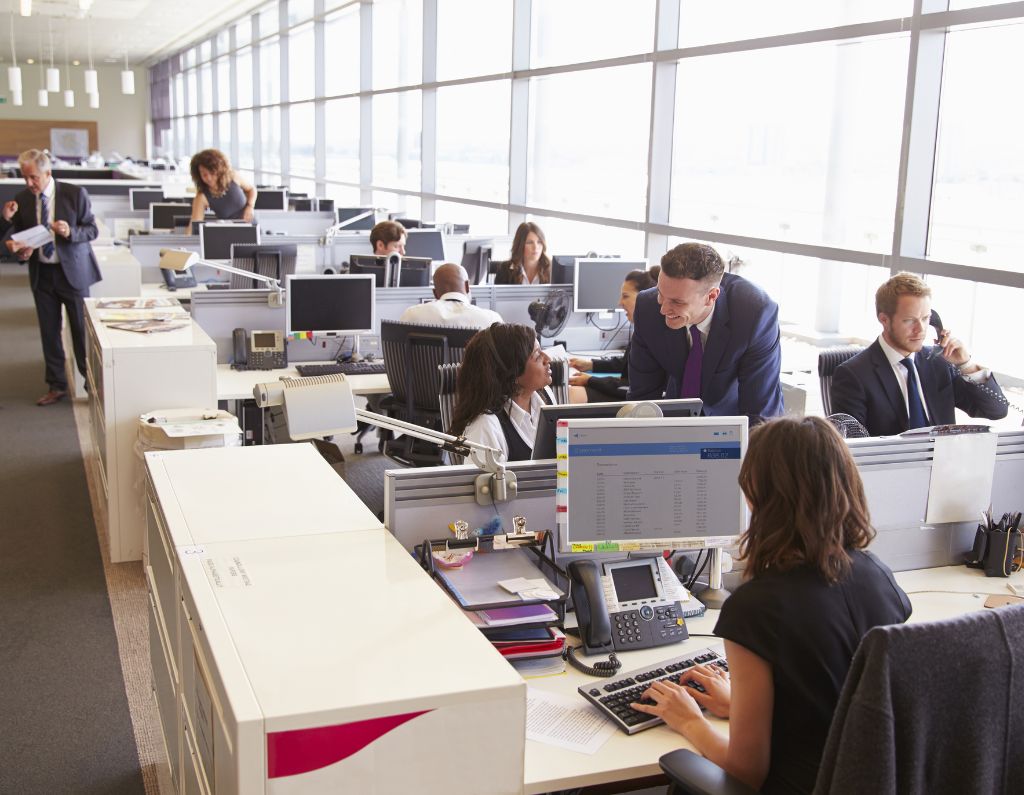
Open-plan offices, shared conference rooms, and break areas concentrate employees in enclosed spaces for extended periods throughout the working day. Every person present contributes respiratory aerosols to the shared air — and when one employee is sick, the transmission risk extends to everyone in the space for hours before any symptoms are apparent.
prePaer provides continuous ULPA-grade air filtration at the room level — reducing the airborne pathogen and allergen load in the spaces where your team works, meets, and collaborates. The result is fewer sick days, more consistent attendance, and a workplace that demonstrates genuine care for the people who show up every day.
The Hidden Cost of Office Air Quality
Respiratory Illness Is One of the Largest Drivers of Lost Productivity in the Modern Workplace
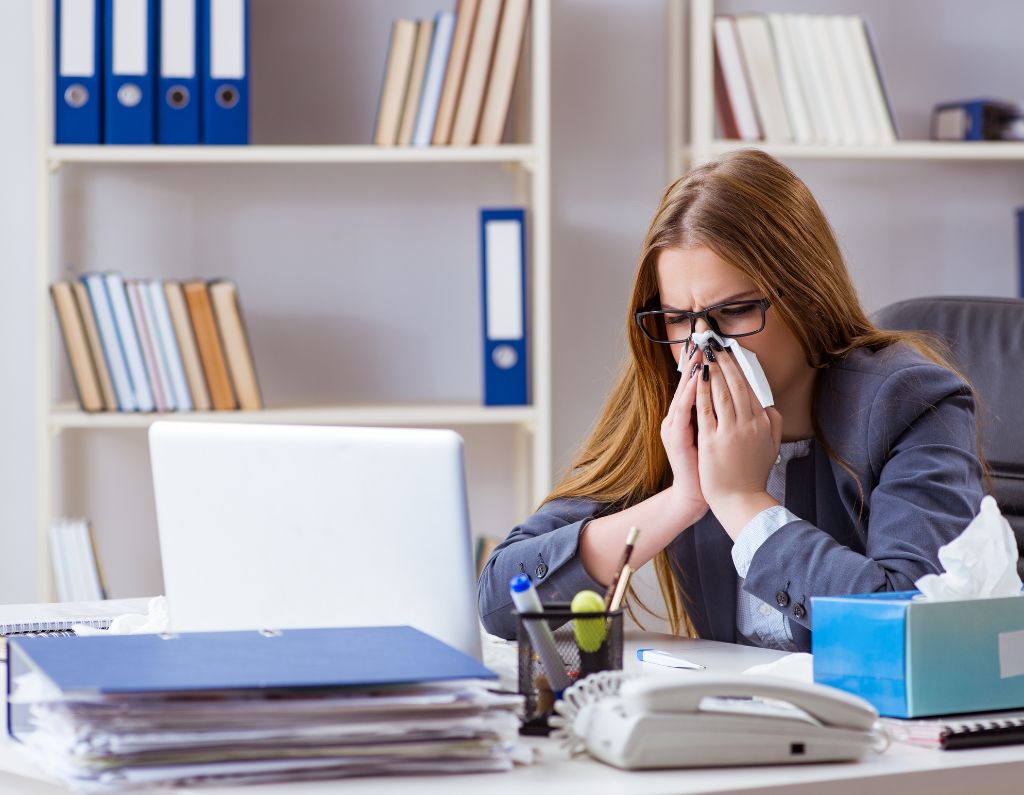
The average office worker loses 3 to 5 working days per year to respiratory illness — with a significant proportion contracted in the workplace itself. Beyond direct absenteeism, presenteeism — the productivity loss from working while unwell — adds a further cost that rarely appears in any operational metric but affects output quality, decision-making, and team performance throughout the season. Standard office HVAC systems manage temperature and basic air circulation; they are not designed or rated to capture the sub-micron particles that carry influenza, COVID-19, and other respiratory pathogens between workstations and across shared spaces.
The Airborne Exposure That Accumulates Across Every Meeting, Every Shared Space, Every Day


Our Solution: The prePaer AER System
Our Solution: The prePaer AER System
prePaer is freestanding and requires no installation. Position a unit in a conference room, at the end of an open-plan workstation row, or in a reception area — it begins filtering immediately. Reposition it between spaces based on usage patterns and occupancy throughout the day.
The prePaer AER System
Room-Level Air Protection for Every Space Where Your Team Spends the Working Day
ULPA Filtration at 0.12 Microns — Captures What HVAC Cannot:
Standard office HVAC systems use MERV 8–11 filters designed for dust and large particle removal. prePaer’s ULPA filter captures 99.999% of particles at 0.12 microns — including the fine aerosol particles that carry influenza, COVID-19, and RSV between workstations and across shared spaces.
Conference Room Protection During High-Density Meetings:
A prePaer unit in the conference room continuously filters air throughout the meeting session — reducing the aerosol concentration that accumulates when multiple people occupy a small space for an extended period. Between sessions, it continues clearing the air before the next group arrives.
Allergen Reduction for Allergy-Affected Employees:
Pollen, dust mite allergens, and mold spores that enter the office through HVAC systems and foot traffic are captured by prePaer’s ULPA filter — reducing the airborne allergen load that triggers symptoms in employees with seasonal or perennial allergies throughout the working year.
No Installation — Deployable the Same Day:
No HVAC modification, no electrician, no facilities coordination. prePaer arrives ready to use. Plug it into a standard outlet, position it in the target space, and it is protecting the room immediately — making it practical for any office, in any building, with any tenancy arrangement.
A Visible Commitment to Employee Wellbeing:
Employees notice when employers invest in the physical quality of the shared work environment. prePaer is a visible, operational device — not a policy statement. Its presence in meeting rooms and common areas signals that the organization takes the health of the people working there seriously.
Productivity & Retention
Fewer Sick Days. Better Attendance. A Workplace People Want to Return To.
The case for office air quality investment is not solely about health — it is about the operational performance of the organization. Every sick day costs the business in direct productivity loss and in the coordination overhead of covering absent colleagues. Every employee who comes in unwell because they feel they cannot afford to be absent creates transmission risk for those around them and performs at a fraction of their capacity.
Organizations that invest in measurable air quality improvements — and communicate that investment to their teams — also report benefits in employee satisfaction and return-to-office engagement. In a competitive talent environment, a workplace that demonstrably prioritizes the health of its people is a differentiator that shows up in retention and recruitment conversations.

Indoor Air Quality Is an Employer Responsibility — and a Competitive Advantage
Employers have a legal duty of care to provide a safe working environment. Post-pandemic, indoor air quality has become part of that conversation in a way it was not a decade ago. Employees, health and safety representatives, and regulatory guidance increasingly treat indoor air quality as an occupational health matter — not simply a comfort issue. Employers who address it proactively are better positioned on every dimension: compliance, retention, productivity, and the increasingly important question of why employees should choose to be in the office rather than at home.
prePaer is the practical, deployable answer to that question — a visible, operational investment in the quality of the shared environment that demonstrates the organization’s commitment to the people who occupy it.