

What We Do
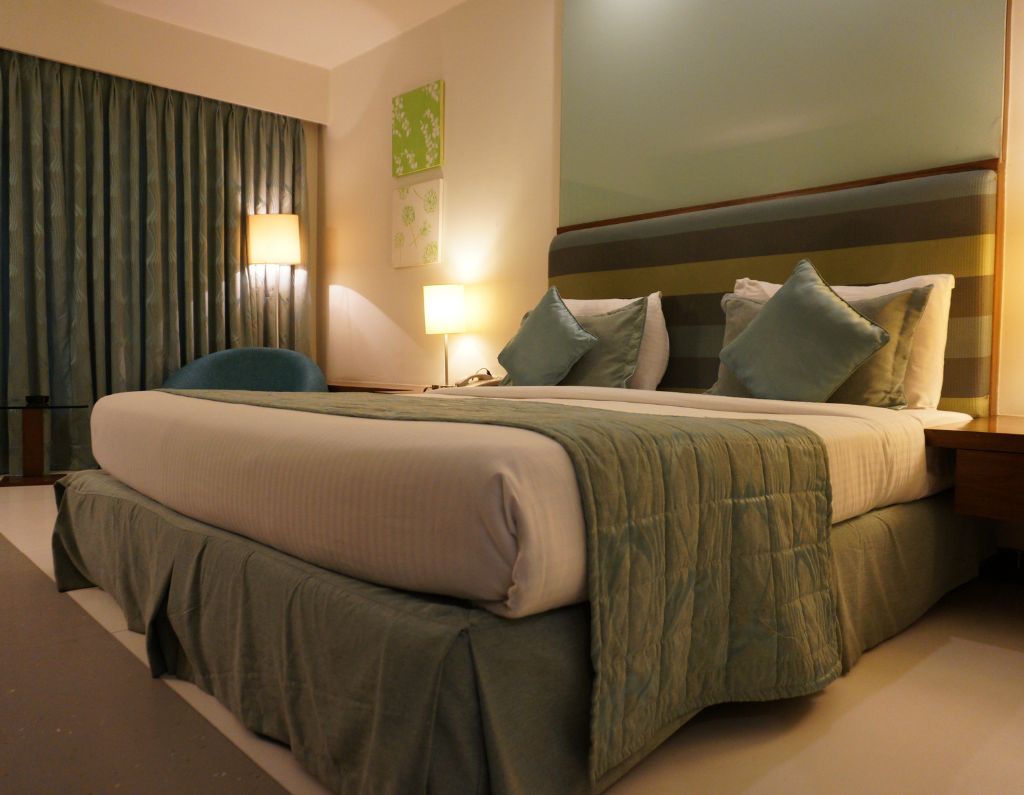
A Room That Guests With Allergies Can Actually Sleep In
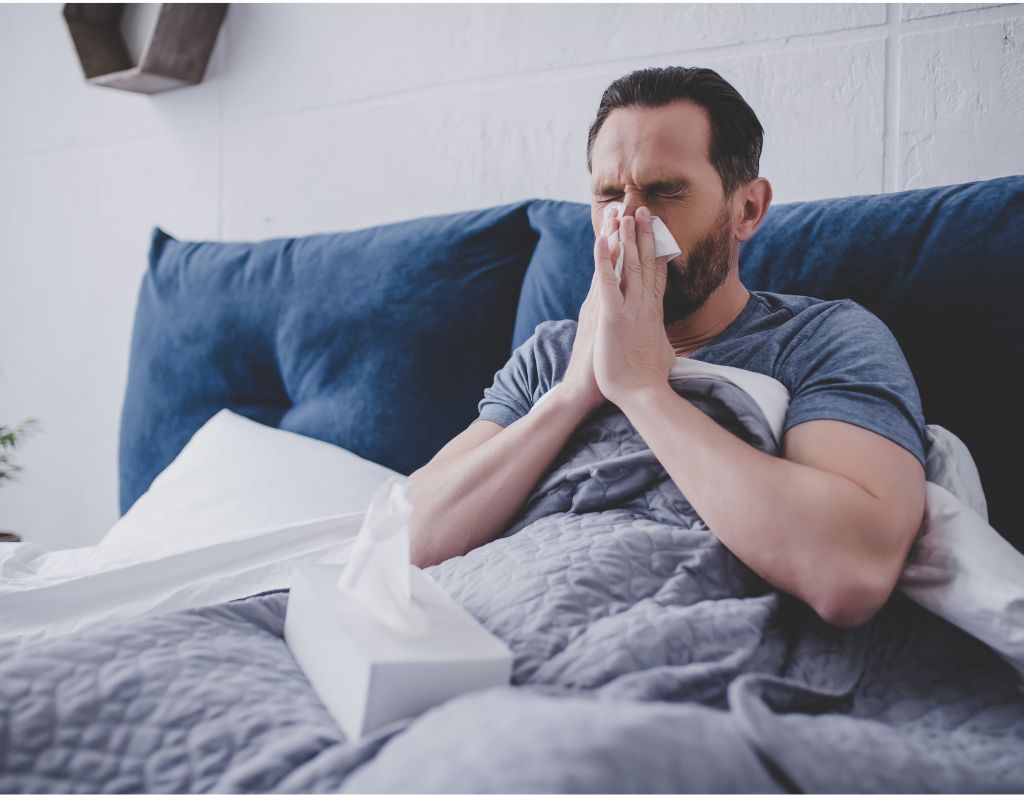
Over 50 million Americans live with allergies or asthma. When they travel, they are not simply looking for a comfortable bed — they are looking for a room where they can breathe without consequence. Dust mite allergens, pet dander from previous guests, accumulated mold spores, and HVAC-recirculated particulate make most hotel rooms a genuine problem for this population.
prePaer gives hotels the ability to offer something those guests cannot find in most properties: a room with active, verified ULPA-grade air filtration running continuously — before they arrive, while they sleep, and throughout their stay.
The Market Opportunity
Allergy and Asthma Travelers Are a Loyal, Underserved Segment That Books Differently
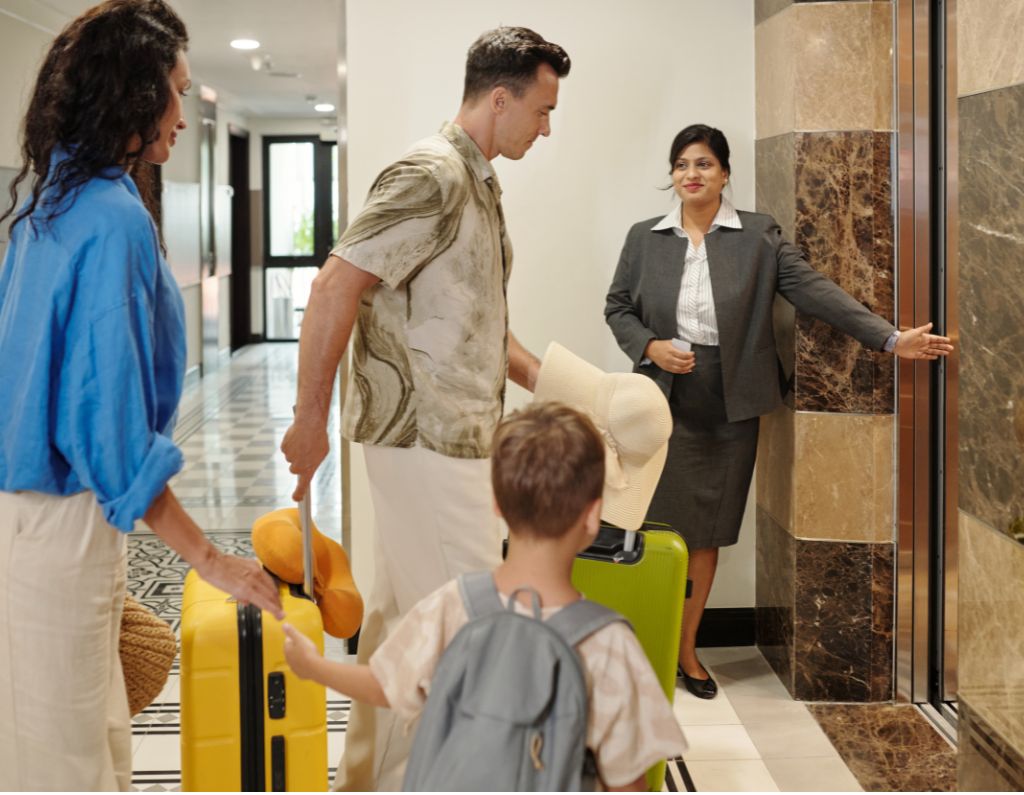
Guests with severe allergies or asthma plan their travel around their condition. They research accommodation options specifically, they communicate their needs at booking, and when they find a property that genuinely works for them, they return — and refer others in their community who face the same challenge. This segment represents a meaningful revenue opportunity that most hotels are currently failing to serve with anything beyond a label on a room that has hypoallergenic pillows. Active air filtration is the component that makes the difference between a claim and a credible allergen-reduced room.
Consider This: What Hotel Room Air Actually Contains
What Accumulates in a Hotel Room Between Guests — and During a Stay
Our Solution: The prePaer AER System
Our Solution: The prePaer AER System
prePaer runs continuously in the guest room — before check-in, throughout the stay, and between guests. By the time an allergy-flagged reservation arrives, the room has already gone through multiple complete ULPA filtration cycles. What the guest experiences is not a label — it is a measurably cleaner room.
The prePaer AER System
The Air Filtration Layer That Turns an Allergen Room Label Into a Guarantee
Pre-Arrival Allergen Clearance
Run prePaer in the room for several hours before a guest with documented allergies checks in. This pre-arrival cycle removes accumulated dust mite particles, pet dander, mold spores, and other allergens from the air volume — delivering a genuinely clean-air first impression that hypoallergenic bedding alone cannot provide.
Silent Overnight Operation:
prePaer operates at noise levels appropriate for sleeping environments. Guests with asthma benefit most from continuous filtration during the hours when airborne allergen exposure has the greatest impact on rest quality and morning respiratory symptoms. The unit can remain running throughout the night without disturbing sleep.
Pet Room Recovery Between Stays:
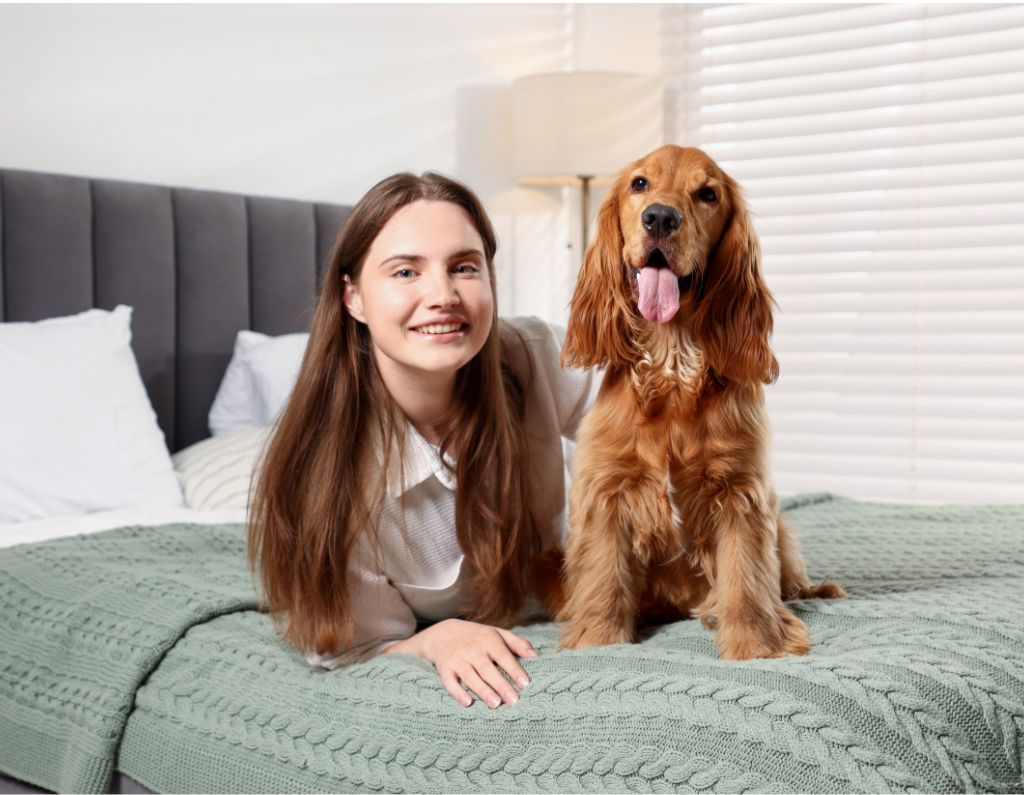
Properties that accept pets in designated rooms can run prePaer continuously between pet stays to remove dander from the air volume before the next guest — whether that guest travels with a pet or not. This maintains allergen-reduced conditions across the room’s full occupancy cycle.
No Ozone — Completely Safe for Guests:
prePaer uses no ozone-generating technology, no UV lamps, and no chemical treatments. It is safe for guests of all health profiles — including those with asthma, fragrance sensitivities, and compromised immune systems — the very guests most likely to seek out allergen-reduced rooms.
A Visible, Operable Amenity Guests Can Verify:
Unlike hypoallergenic pillows — which guests must take on faith — prePaer is a visible, operational device that demonstrates active air filtration. Allergy-aware guests recognize it, trust it, and mention it specifically in reviews when their stay is genuinely comfortable.
Revenue & Reputation
Better Air Quality Translates Directly Into Better Reviews and Higher Rates
Allergy and asthma travelers are motivated reviewers. When they find a hotel room that works for their condition — where they sleep through the night without respiratory symptoms — they write about it. Those reviews reach thousands of other travelers with the same needs, creating a word-of-mouth channel that no standard marketing campaign can replicate for this audience.
Allergen-reduced rooms with active filtration also support premium rate positioning. A guest who cannot safely stay in most hotels will pay meaningfully more for a room that gives them a genuinely comfortable night — and they will book it again on the next trip without searching for alternatives.
Air Quality as a Hospitality Standard — Not Just an Allergy Accommodation
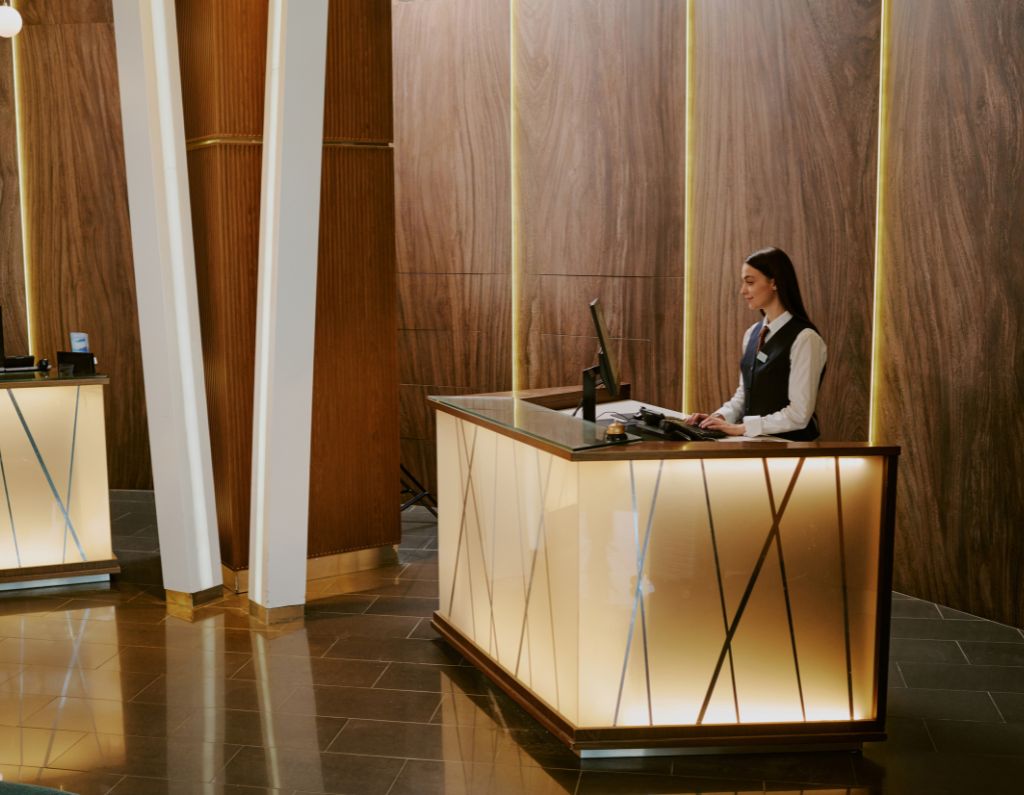
The post-pandemic hospitality guest has a heightened awareness of indoor air quality that extends beyond allergy and asthma concerns. Cleaner air in guest rooms is increasingly part of the broader wellness amenity conversation — alongside fitness centers, spa services, and healthy dining options. Properties that invest in verifiable air quality measures are positioning themselves ahead of a guest expectation that is becoming standard rather than exceptional.
prePaer makes that investment practical for any property category — from boutique independents to large full-service hotels — without the infrastructure cost of built-in HVAC upgrades or the operational complexity of whole-building filtration systems.